You’re scrubbing, wiping, and disinfecting—yet your home still feels grimy. Worse, you’re drowning in paper towels and chemical sprays that pollute more than they clean. It’s exhausting, expensive, and frankly unsustainable. But what if one simple switch could slash waste, cut costs, and actually clean better? Enter sustainable cleaning cloths—not just eco-friendly, but shockingly effective.
Why Traditional Cleaning Methods Are Failing You
Most households rely on disposable wipes or cotton rags soaked in harsh cleaners. They leave lint, streaks, and toxic residues behind. And those “green” branded sprays? Often just clever marketing with diluted formulas that require double the effort—and double the plastic bottles.
Here’s the reality: friction and absorbency matter more than chemicals. Yet conventional tools ignore this. Paper towels tear. Sponges breed bacteria. Cotton fibers push dirt around instead of trapping it. You end up re-cleaning the same surface three times.
And don’t get me started on microfiber imposters—cheap blends that shed microplastics into your drains with every rinse.
How to Switch to Sustainable Cleaning Cloths (Without Sacrificing Clean)
Making the leap isn’t about buying more—it’s about choosing smarter. Real sustainable cleaning cloths are reusable, durable, and engineered for performance. Follow this no-nonsense protocol:
Pick the Right Material Blend
Look for 80% polyester / 20% polyamide. This ratio creates microscopic split fibers that grab dust, oil, and microbes like a magnet. Avoid anything labeled “microfiber” without composition details—it’s likely a greenwashed polyester rag.
Master the Dry-to-Damp Technique
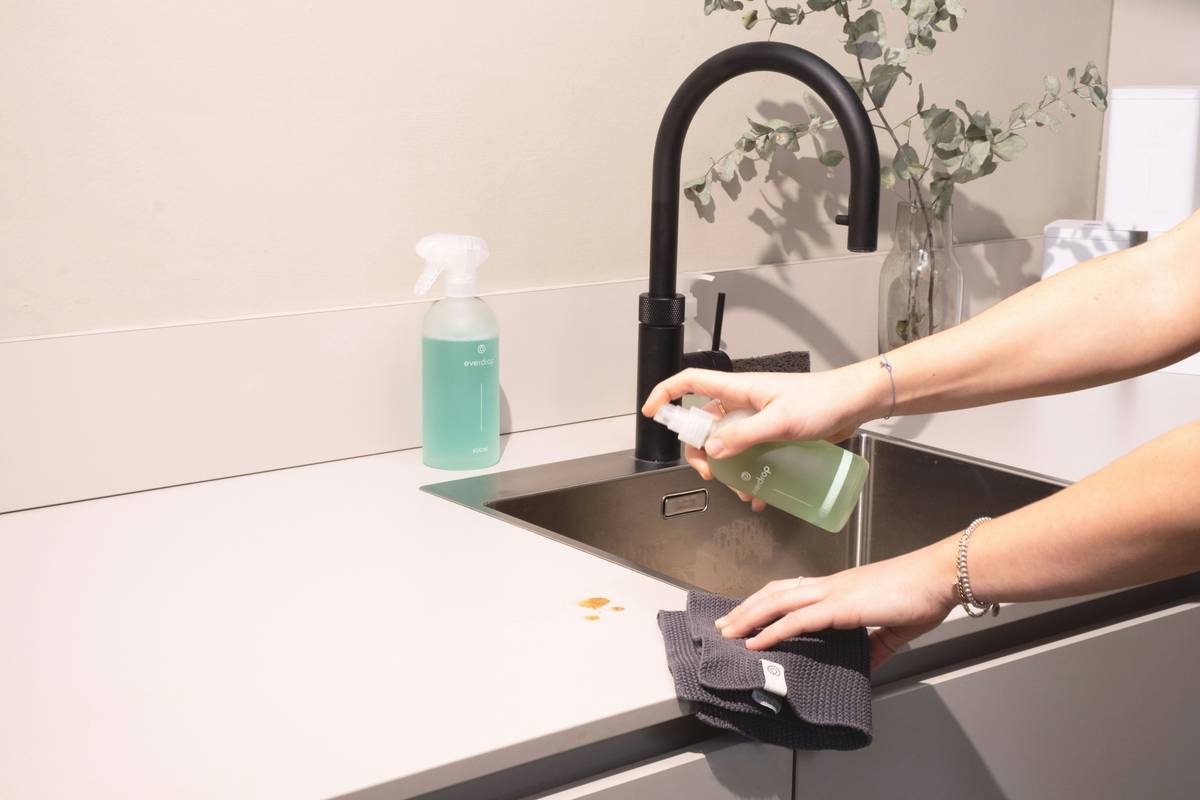
Start dry for dust and hair. Then lightly dampen (never soak) for sticky spills or smudges. Water alone often suffices—no soap needed. The capillary action does the heavy lifting.
Wash Properly to Extend Lifespan
No fabric softener. Ever. It clogs the fibers. Use cold water, mild detergent, and air-dry. Do this right, and a single cloth lasts 500+ washes.

| Cleaning Method | Cost Over 1 Year | Waste Generated | Effectiveness (1-10) |
|---|---|---|---|
| Paper Towels + Spray | $320+ | 200+ rolls = ~75 lbs trash | 6 |
| Cotton Rags + Vinegar | $45 | Low (reusable) | 5 |
| Sustainable Cleaning Cloths | $25 (initial) + $5 upkeep | Negligible | 9 |
The Industry Secret Big Brands Don’t Want You to Know
Most “eco” cleaning brands push liquid concentrates because refills = recurring revenue. But here’s the truth few admit: the biggest environmental impact in cleaning isn’t the formula—it’s the delivery system. One study found that 68% of a cleaner’s carbon footprint comes from packaging and transport, not ingredients.
Sustainable cleaning cloths flip that model. They’re shipped flat, weigh almost nothing, and eliminate bottles entirely. Some commercial janitorial services have cut supply costs by 40% just by switching to high-grade microfiber systems—and their floors are cleaner. Yet consumer marketing still pushes sprays because they feel “active.” Real cleanliness is passive: physics over potions.
Think about it. Your grandma wiped windows with newspaper and vinegar—and they sparkled. Not because of magic, but because she used a lint-free, absorbent surface. We’ve overcomplicated it ever since.
Frequently Asked Questions
Are sustainable cleaning cloths really better than paper towels?
Yes. They trap more particles, leave zero lint, and cost pennies per use after the initial purchase. Paper towels smear; microfiber lifts.
Do they work without cleaning chemicals?
Often, yes. For 80% of household messes—dust, fingerprints, food spills—water and mechanical action from the cloth are enough. Save chemicals for biohazards.
How long do they last?
Properly cared for, quality sustainable cleaning cloths last 2–3 years or 500+ washes. Toss them only when fibers stiffen or lose absorbency.