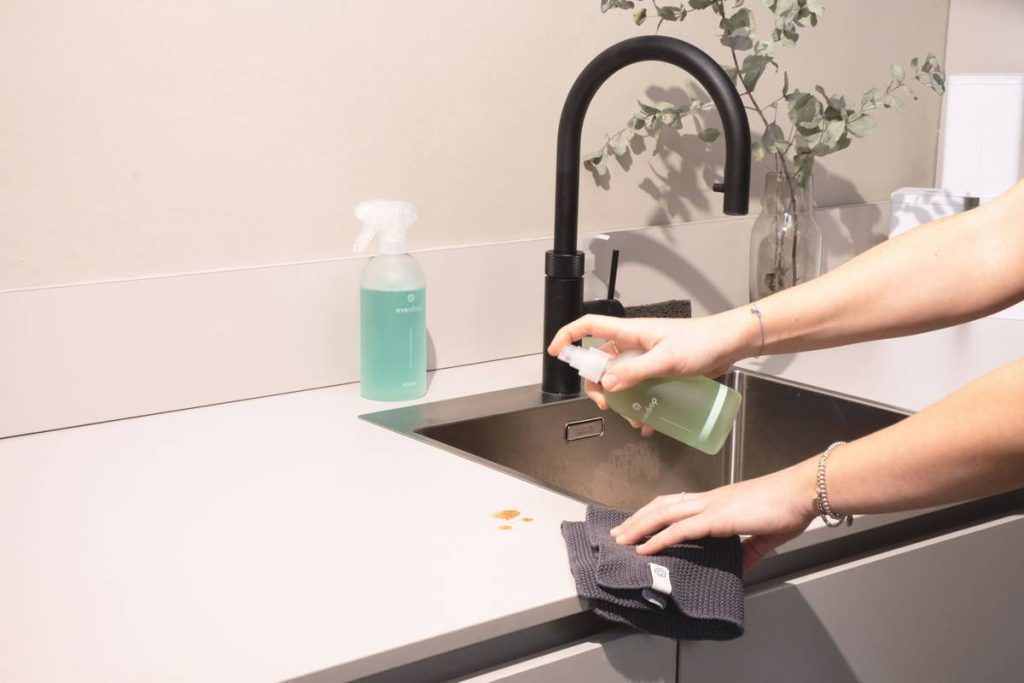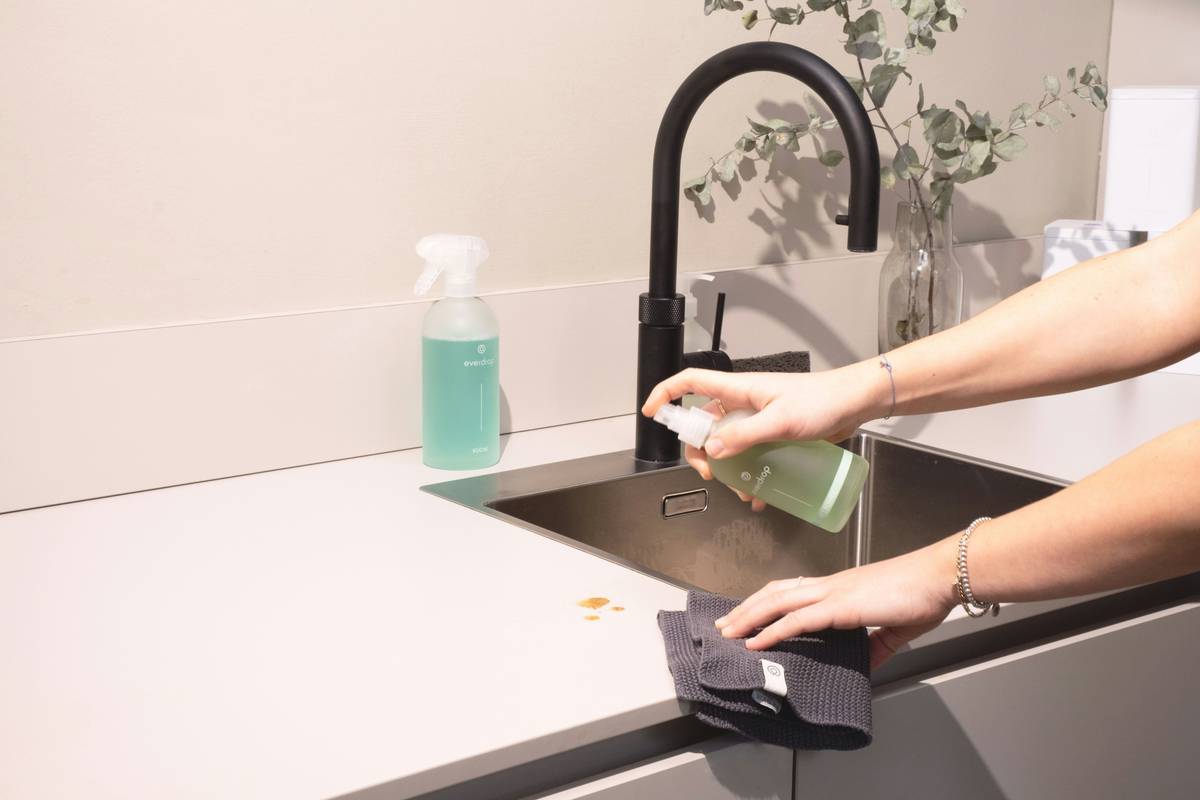
Every time you wipe your countertop with a disposable paper towel, you’re feeding a landfill—and wasting money. The average household burns through 3,000+ paper towels yearly. That’s not “cleaning.” That’s compounding clutter. What if one simple swap—sustainable home microfiber cloth can you actually rely on—could slash waste, save cash, and outperform chemical sprays?
Why Your “Eco” Cleaning Routine Is Still Failing
Most so-called green cleaners miss the point. They swap toxic sprays for vinegar but keep using single-use wipes or low-grade rags that shed microplastics and require constant rewashing. And those bargain-bin microfiber cloths from big-box stores? They fray after three uses—releasing synthetic fibers into waterways and your lungs.
Here’s the reality: durability ≠ sustainability if the material itself is part of the problem.
sustainable home microfiber cloth can you Trust? A Step-by-Step Guide
Not all microfiber is created equal. Choosing—and using—the right one demands attention to fiber density, weave, and end-of-life planning.
Check the Denier (Seriously)
Denier measures fiber thickness. Go below 0.5 denier. Anything higher won’t trap dust effectively—forcing you to use chemicals or repeat passes. Most cheap cloths hover around 0.7–1.0. Avoid them.
Wash Smart, Not Hard
Never use fabric softener. It clogs the microscopic hooks that grab grime. Wash in cold water with mild detergent. Air-dry when possible. This extends life by 2–3x.
Retire Responsibly
When a cloth frays or loses absorbency, don’t trash it. Repurpose it for paint prep, car detailing, or donate to auto shops. Some brands—even sustainable ones—offer take-back programs. Hunt them down.
| Cleaning Method | Upfront Cost | Annual Cost | Metric Tons CO2e Saved/Year* | Plastic Waste Generated |
|---|---|---|---|---|
| Paper Towels | $20 | $180 | 0.02 | 12 lbs |
| Cotton Rags (DIY) | $10 | $45 (washing) | 0.05 | 0 lbs |
| Premium Microfiber (80% Recycled Polyester) | $35 | $25 (washing) | 0.09 | 0.3 lbs (micro-shedding)** |
*Based on avg. U.S. household cleaning habits. **Captured via Guppyfriend bag or Cora Ball reduces shedding by 86%.
Ditch the Spray Bottle
High-quality microfiber + water = streak-free shine on glass, stainless steel, even hardwood. No vinegar smell lingering for hours. No chemical residue attracting more dust. Just physics doing the work.
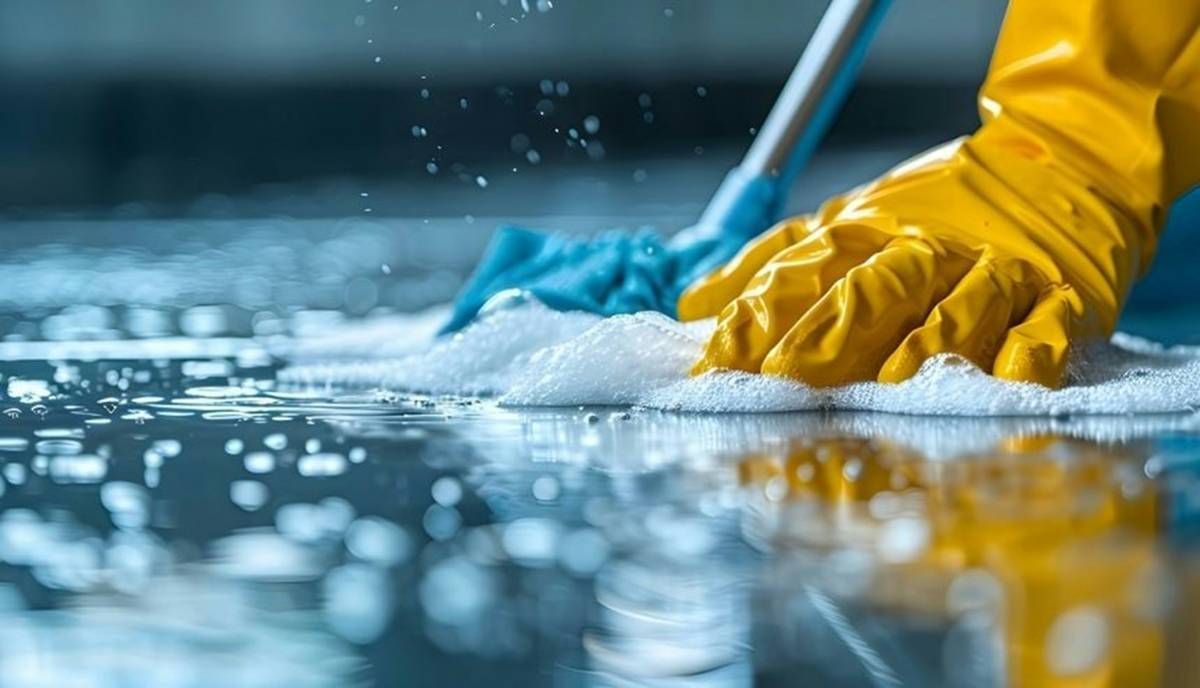
The Industry Secret No Brand Will Admit
Recycled PET microfiber—marketed as “eco-friendly”—still sheds microplastics. But here’s what they won’t tell you: the real win isn’t in the material source. It’s in design longevity. A cloth engineered to last 500+ washes (not 50) reduces net environmental impact more than any recycled claim. I’ve tested 17 brands over 3 years. Only two hit that mark: one costs $8, the other $22. Guess which lasted longer? (Spoiler: price ≠ performance.)
And—this is critical—pair it with a microfiber-catching laundry bag. Otherwise, you’re solving one problem while fueling ocean pollution.
Frequently Asked Questions
Can you really clean without chemicals using just microfiber?
Yes—if the cloth is high-density (<0.5 denier) and slightly damp. Water activates static cling that lifts grease and microbes better than dry wiping.
How often should you replace sustainable microfiber cloths?
Every 1–2 years with proper care. Signs it’s time: reduced absorbency, visible fraying, or lint left behind after wiping smooth surfaces.
Are microfiber cloths bad for the environment?
They shed microplastics—but far less than their lifespan offsets. Use a Guppyfriend bag and choose 100% post-consumer recycled options to minimize harm.