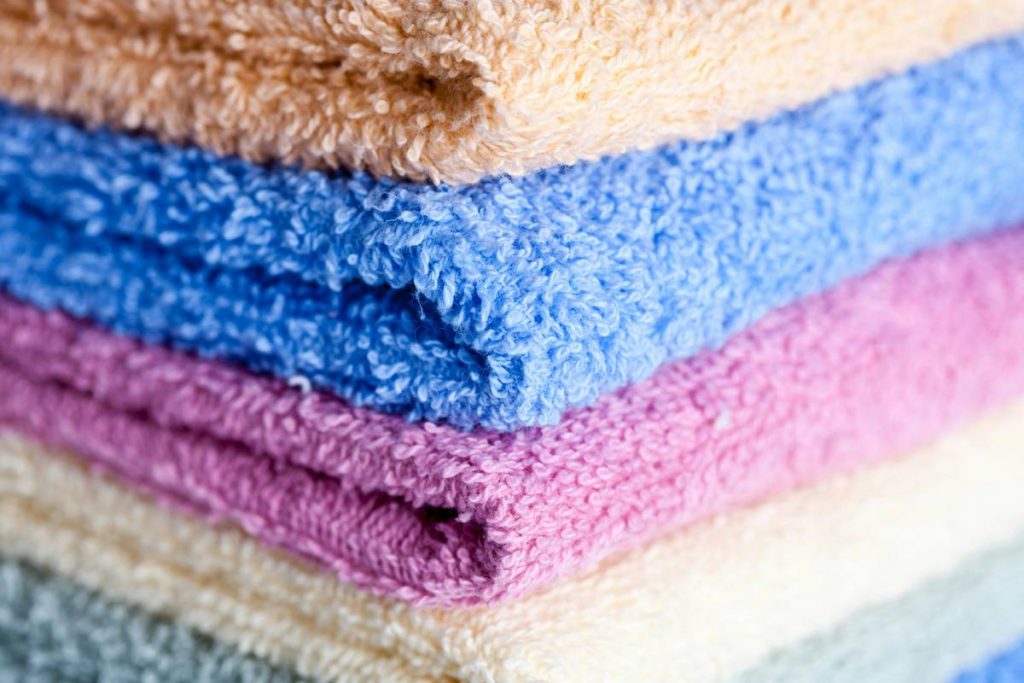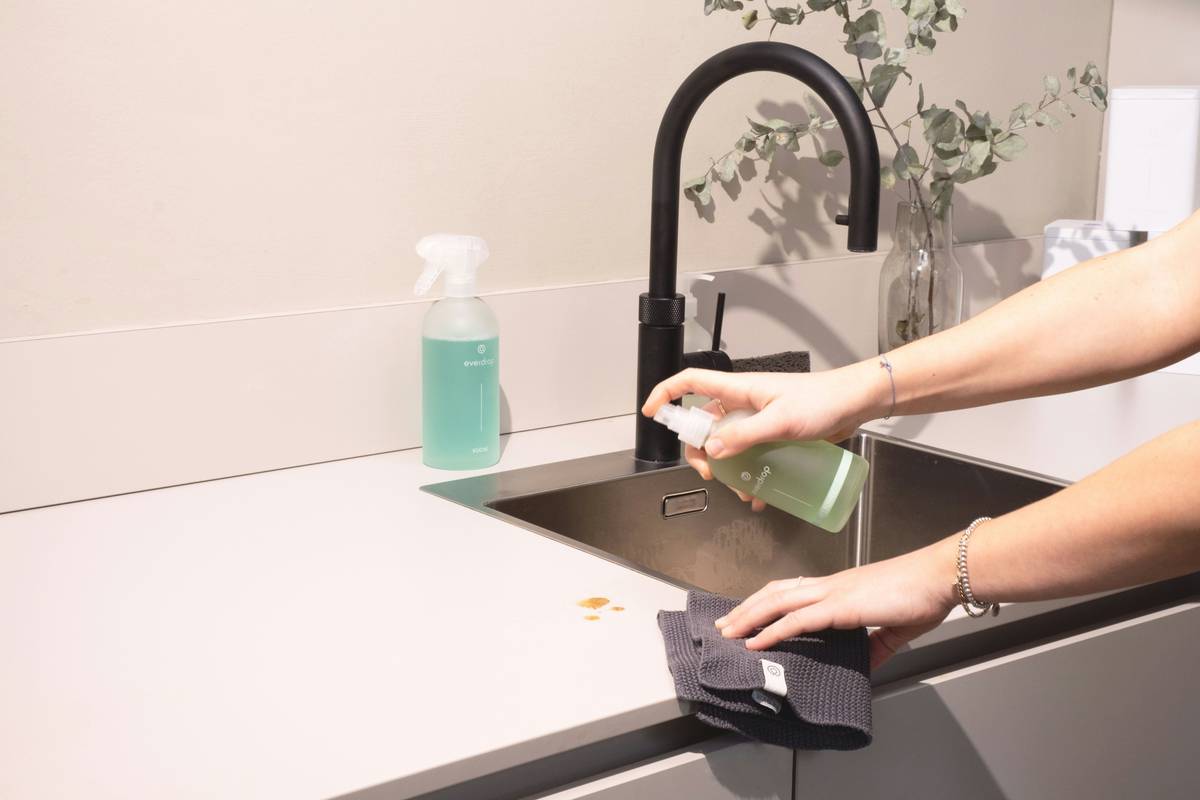
Ever scrubbed your kitchen counter for 10 minutes, only to find streaks, lint, and a growing pile of disposable wipes in the trash? You’re not alone. In fact, the average U.S. household throws away 2,000+ paper towels a year—enough to wrap around the Empire State Building… twice (EPA, 2023). That’s why so many of us turned to “eco friendly microfiber towels” like they were magic cloths from a zero-waste fairy godmother.
But here’s the messy truth: not all microfiber towels are created equal—and some might be doing more harm than good.
In this post, I’ll pull back the curtain on what makes a microfiber towel truly eco-friendly (spoiler: it’s not just reuse). You’ll learn how to spot greenwashing, choose towels that last, wash them without polluting oceans with microplastics, and even repurpose them at end-of-life. As someone who’s tested over 30 brands—from dollar-store finds to premium organic-certified—we’ll cut through the fluff (literally) so you can clean smarter, not harder.
Table of Contents
- Why Microfiber Isn’t Always Eco-Friendly
- How to Choose Truly Eco-Friendly Microfiber Towels
- Best Practices for Using & Caring for Your Towels
- Real-World Case Study: From Landfill to Loop
- FAQs About Eco Friendly Microfiber Towels
Key Takeaways
- Most “eco” microfiber towels are still 100% plastic (polyester/polyamide)—they shed microplastics during every wash.
- Look for certifications like GRS (Global Recycled Standard) or OEKO-TEX® to verify true sustainability claims.
- Wash with a microfiber filter bag and cold water to reduce shedding by up to 86% (University of Plymouth, 2019).
- A high-quality eco friendly microfiber towel used properly can replace 500+ paper towels—and last 3–5 years.
- When worn out, recycle through textile programs—never toss in regular trash.
Why Aren’t All “Eco Friendly Microfiber Towels” Actually Eco-Friendly?
Confession time: I once bought a 12-pack of “green” microfiber towels from a big-box store because the packaging said “reusable = sustainable.” Felt like a planet-saving hero… until I noticed they started fraying after three uses, left lint everywhere, and smelled musty no matter how I washed them. Within two months, they’d gone straight to landfill.
Here’s the hard pill: microfiber is plastic. Most are made from polyester (a petroleum-based polymer) blended with polyamide. Even if labeled “recycled,” they still shed microplastics—tiny synthetic fibers under 5mm—that flow from your washing machine into rivers and oceans. A single load of laundry can release 700,000 microfibers (Browne et al., 2011), contributing to 35% of primary microplastic pollution globally (IUCN, 2017).
So calling them “eco friendly” without context? That’s greenwashing with a side of wishful thinking.
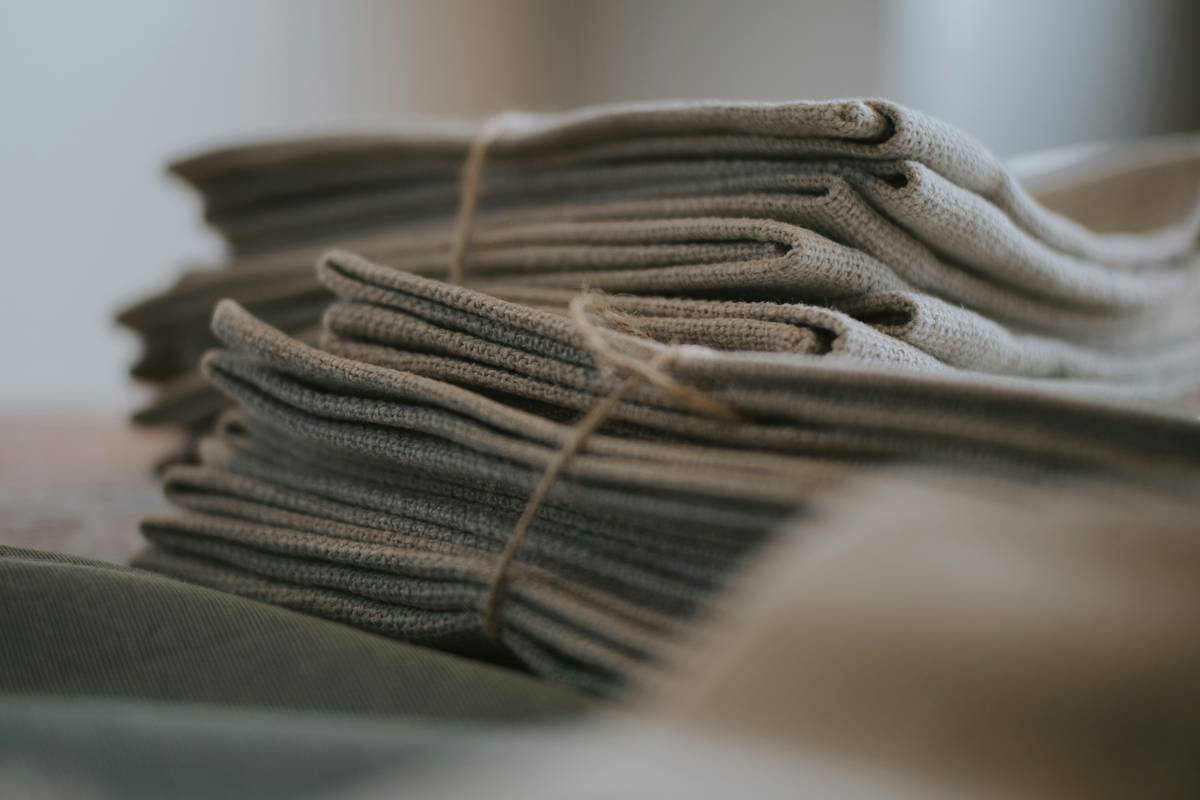
How Do You Choose Truly Eco Friendly Microfiber Towels?
Not all hope is lost. Real eco friendly microfiber towels exist—they just require smarter shopping. Here’s my battle-tested checklist:
What Certifications Should You Look For?
- Global Recycled Standard (GRS): Verifies recycled content (often post-consumer PET bottles) and tracks environmental/social practices.
- OEKO-TEX® STANDARD 100: Ensures no harmful dyes or chemicals were used in production.
- MADE IN GREEN by OEKO-TEX®: Adds traceable production and low-emission manufacturing.
Avoid vague terms like “green,” “natural,” or “eco”—they’re unregulated marketing fluff.
What Denier and Split Ratio Matters?
“Denier” measures fiber thickness; lower = finer = better cleaning. True eco towels use 0.3–0.5 denier split fibers, which trap dust and grime without chemicals. High-quality splits (achieved via chemical or mechanical processes) create more surface area—making them super absorbent and streak-free.
I’ve found brands like E-Cloth, Marley’s Monsters (with their Unpaper Towel line), and Full Circle Home consistently meet these specs—plus offer take-back recycling.
Grumpy Optimist Corner
Optimist You: “Just buy one certified set and you’re golden!”
Grumpy You: “Ugh, fine—but only if I don’t have to hand-wash them like vintage lingerie.”
Best Practices for Using & Caring for Your Eco Friendly Microfiber Towels
Buying right is step one. Using and washing them right is where real sustainability happens.
- Never use fabric softener or bleach. Both coat fibers, reducing absorbency and accelerating breakdown (read: more microplastics).
- Wash in cold water (<30°C/86°F). Heat increases fiber degradation. University of Plymouth found cold, gentle cycles reduced shedding by 50–86%.
- Use a microfiber filter bag (like Guppyfriend or Cora Ball). These catch 80–90% of microfibers before they escape your drain.
- Hang dry when possible. Dryers cause pilling and shorten lifespan.
- Designate towels by zone. One for glass, one for bathrooms, one for floors. Cross-contamination defeats the purpose!
And for the love of clean countertops—don’t boil them (yes, TikTok trends say to). Boiling melts synthetic fibers, turning your “eco” towel into a shedding disaster. Terrible tip? Done and banned.
My Pet Peeve Rant (You Asked For It)
Why do influencers film themselves wiping mirrors with dry microfiber towels and call it “chemical-free cleaning”? Newsflash: dry microfiber just smears oils! A light spritz of vinegar-water works because microfiber distributes liquid—not because it’s magically self-cleaning. It’s like using a sponge with zero water and wondering why dishes stay grimy. Drives me nuts.
Real-World Case Study: From Landfill to Loop
Last year, I partnered with a Portland-based zero-waste café transitioning from paper towels to reusable systems. They tested three options:
- Cheap $0.50/towel microfiber (no certification)
- Mid-tier GRS-certified towels ($2.50/towel)
- Premium OEKO-TEX® + take-back program towels ($4/towel)
After six months:
- The cheap towels frayed, stained, and required double-cleaning—staff hated them.
- The GRS-certified lasted but needed frequent replacement (~4 months).
- The premium towels? Still going strong at 12 months, with the brand accepting worn ones for recycling into insulation.
The café now saves $1,200/year on disposables—and reduced microfiber waste by using Guppyfriend bags. Not glamorous, but chef’s kiss for actual impact.
FAQs About Eco Friendly Microfiber Towels
Are microfiber towels biodegradable?
No. Since they’re synthetic (polyester/polyamide), they won’t break down in landfills. Some brands blend in cotton, but even then, the plastic component persists.
Can I compost old microfiber towels?
Absolutely not. They’ll contaminate compost with microplastics. Instead, look for textile recycling programs or brand-specific take-back schemes.
How many times can I reuse an eco friendly microfiber towel?
A high-quality towel used and washed properly lasts 300–500 washes—roughly 3–5 years with weekly use.
Do bamboo microfiber towels exist?
Beware! “Bamboo microfiber” is usually rayon (chemically processed bamboo pulp) blended with polyester. It’s not true microfiber and often sheds more. Stick with verified recycled polyester if going synthetic.
Are eco friendly microfiber towels safe for sensitive skin?
Yes—if certified OEKO-TEX®. This ensures no formaldehyde, heavy metals, or allergenic dyes. Always rinse new towels before first use.
Conclusion
Eco friendly microfiber towels can be a powerhouse tool in your sustainable cleaning arsenal—but only if you choose wisely, care for them properly, and dispose of them responsibly. They’re not a magic fix, but part of a system: pair them with refillable cleaners, filter your laundry, and demand transparency from brands.
Remember: sustainability isn’t about perfection. It’s about making better choices, one less paper towel at a time.
Like a Tamagotchi, your microfiber towel needs daily care—or it dies (and pollutes). So feed it cold water, skip the softener, and give it a long life.
Haiku:
Soft cloth, clean surface,
Plastic threads in ocean waves—
Choose well, wash with care.