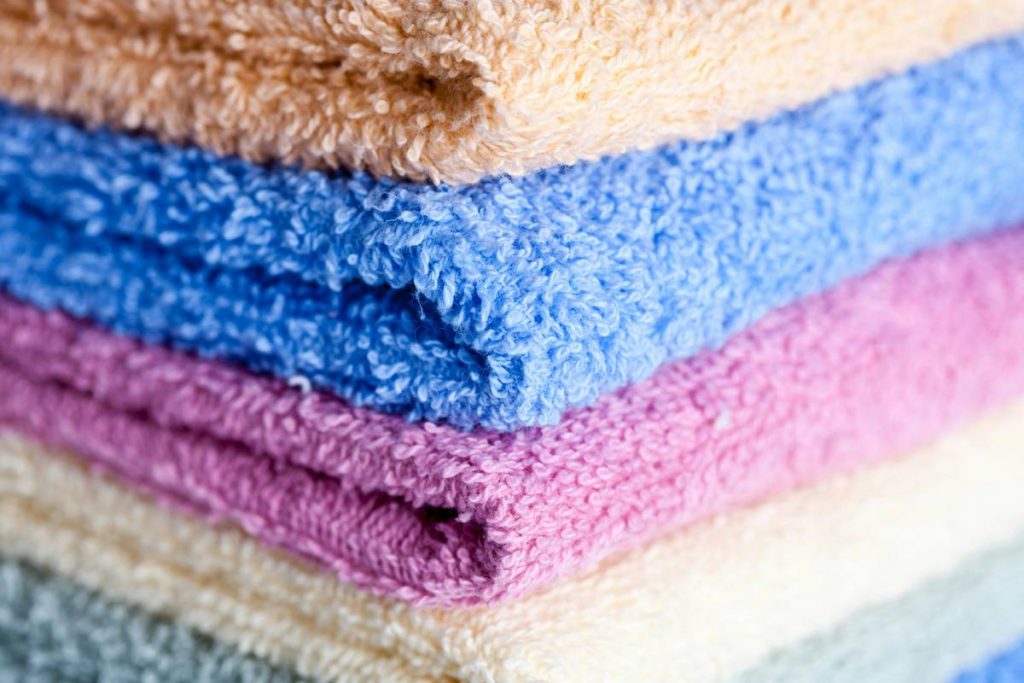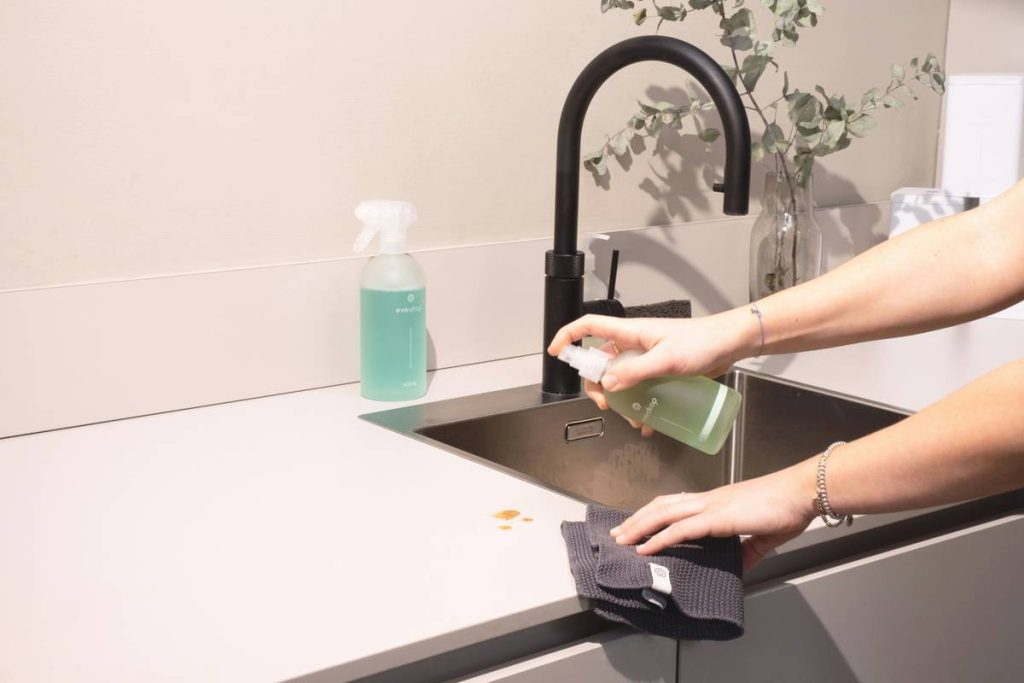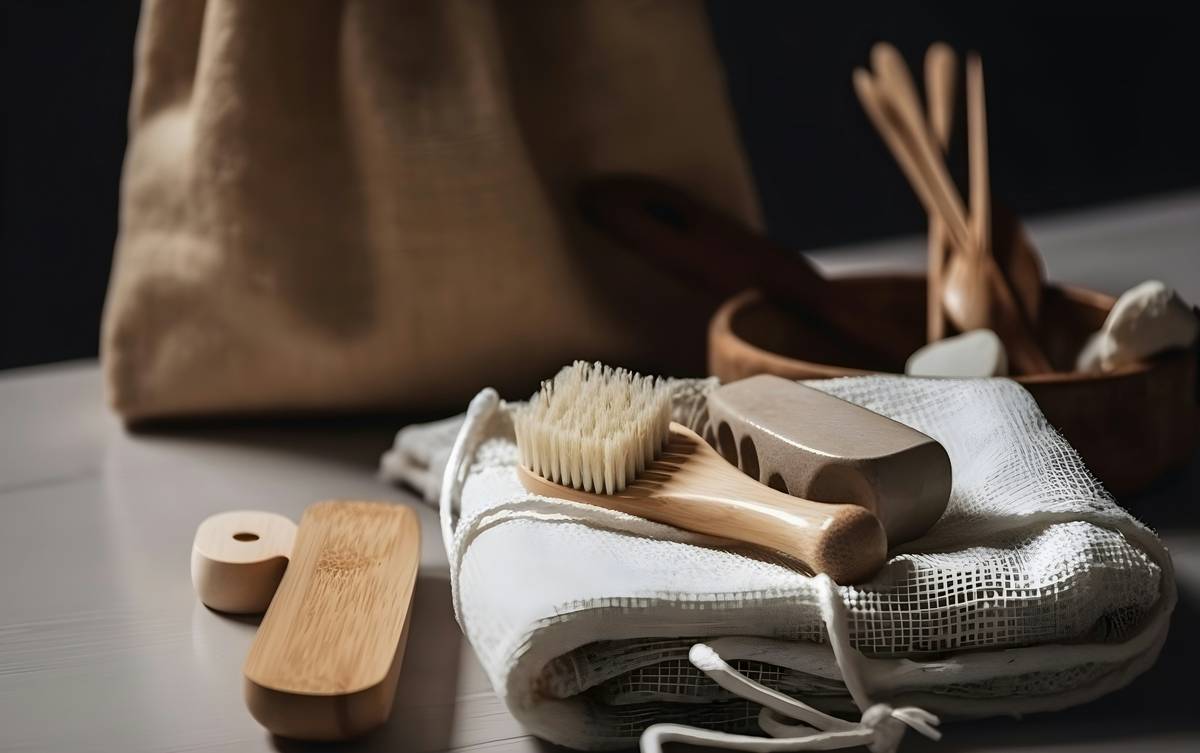
Ever feel like you’re doing the “eco” thing by swapping paper towels for microfiber cloths… only to learn they’re shedding plastic into every sink, drain, and ocean? Yeah. I’ve been there—wiping down my kitchen counter with a “reusable” microfiber rag while unknowingly contributing to microplastic pollution. In fact, one study found that a single wash of a microfiber cloth can release over 700,000 microfibers. Yikes.
If you’re here, you likely want a truly sustainable swap—not just another green-labeled product hiding synthetic fibers behind eco buzzwords. In this post, you’ll discover:
- Why microfiber cloths aren’t as “green” as they seem
- Science-backed, genuinely eco-friendly alternatives
- Real-world performance comparisons from my own cleaning trenches
- A brutally honest ranking (including one “alternative” you should avoid at all costs)
Table of Contents
- Why Microfiber Isn’t Eco-Friendly (Despite the Hype)
- Best Eco-Friendly Alternatives: A Step-by-Step Guide
- Pro Tips for Sustainable Cleaning Without the Performance Trade-Off
- Real-World Case Study: Swapping Microfiber in My Home for 90 Days
- FAQs About Eco-Friendly Cleaning Cloths
Key Takeaways
- Microfiber cloths are made from petroleum-based polyester and nylon—not biodegradable.
- They shed microplastics with every wash, polluting waterways and entering the food chain.
- The best eco friendly alternative to microfiber cloths includes organic cotton, linen, hemp, and cellulose-based options like Swedish dishcloths.
- Look for GOTS or OEKO-TEX certifications to avoid greenwashing.
- Even “biodegradable” synthetics like PLA often require industrial composting—making them impractical for most households.
Why Microfiber Isn’t Eco-Friendly (Despite the Hype)
Let’s burst the bubble: microfiber cloths are not eco-friendly. They’re made from ultrafine synthetic fibers—typically a blend of polyester and polyamide (nylon)—both derived from fossil fuels. While they last longer than paper towels, their environmental cost is hidden in plain sight.
During use and washing, these cloths shed microplastics. A 2019 study in Environmental Science & Technology Letters confirmed that microfiber shedding occurs even during hand-washing, not just machine cycles. And because wastewater treatment plants aren’t designed to capture particles this small, those fibers end up in rivers, lakes, and oceans—where they’re ingested by marine life and eventually enter our food chain.
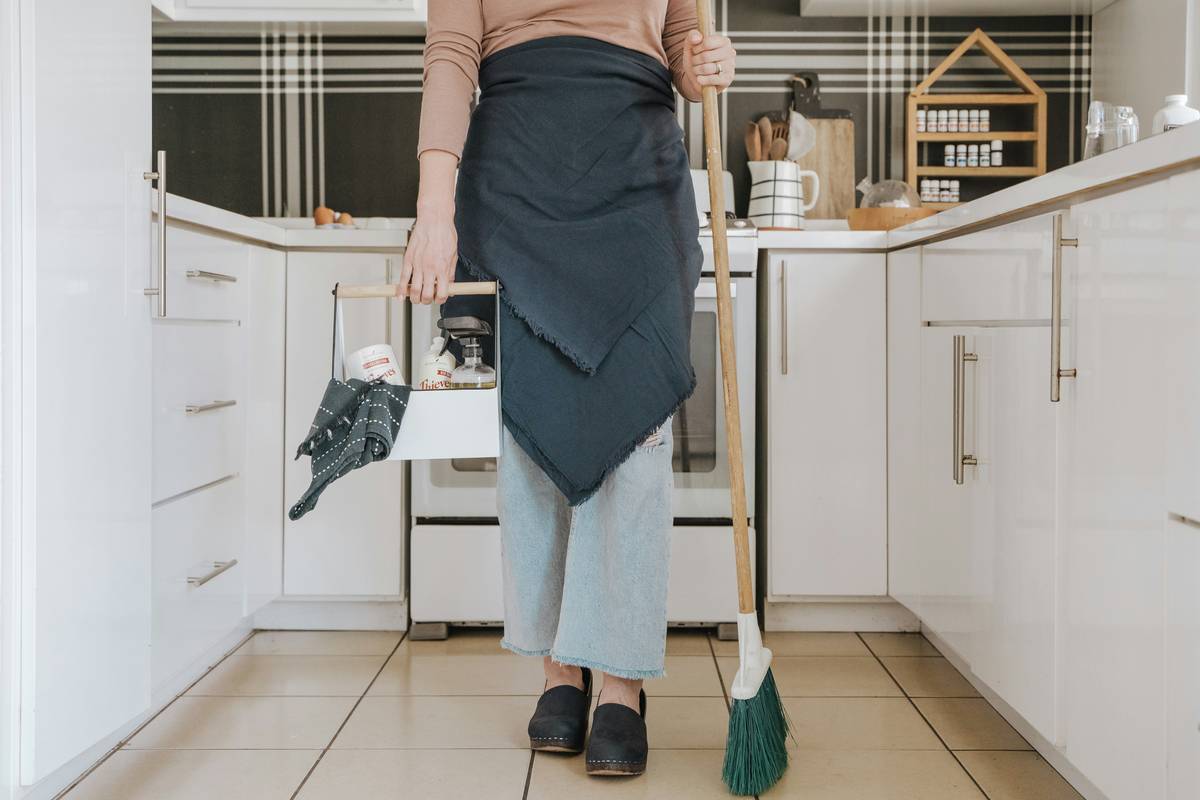
I learned this the hard way after proudly switching to “zero-waste” microfiber rags—only to find lint traps full of colorful fuzz after each laundry load. That’s not lint. That’s plastic pollution with your name on it.
Best Eco-Friendly Alternatives: A Step-by-Step Guide
So what’s a planet-conscious cleaner supposed to use? Not all alternatives are created equal. Here’s how to choose—and use—the best eco friendly alternative to microfiber cloths.
Step 1: Ditch Synthetics Entirely (Yes, Even “Recycled” Ones)
Optimist You: “But recycled PET bottles turned into cloths are sustainable!”
Grumpy You: “Ugh, fine—but only if coffee’s involved… and no, they still shed microplastics.”
Recycled polyester may reduce virgin plastic use, but it’s still plastic. It doesn’t biodegrade, and it sheds just like virgin microfiber—studies show comparable shedding rates. Skip it.
Step 2: Choose Natural, Biodegradable Fibers
Look for these materials—they’re renewable, compostable, and low-impact:
- Organic Cotton: Soft, absorbent, and widely available. Ensure it’s GOTS-certified to avoid pesticide-heavy conventional cotton.
- Linen: Made from flax, it’s durable, naturally antimicrobial, and requires less water to grow than cotton.
- Hemp: Grows fast with minimal water or pesticides; fibers are strong and highly absorbent.
- Cellulose-Based Cloths (e.g., Swedish dishcloths): Made from wood pulp and cotton, these are compostable and outperform microfiber on glass and stainless steel.
Step 3: Prioritize Certifications
Check for:
- GOTS (Global Organic Textile Standard) – ensures organic fibers and ethical production.
- OEKO-TEX Standard 100 – verifies no harmful chemicals were used.
- FSC or PEFC – for cellulose-based products sourced from responsibly managed forests.
Pro Tips for Sustainable Cleaning Without the Performance Trade-Off
You don’t have to sacrifice cleaning power for sustainability. Here’s how to get both:
- Pre-rinse heavily soiled cloths to extend lifespan—less laundering = less wear.
- Wash in cold water with mild, plant-based detergent to preserve fiber integrity.
- Air-dry whenever possible—heat degrades natural fibers faster than synthetics.
- Use vinegar rinses** (sparingly) to remove hard water buildup without damaging fibers.
- Compost worn-out cloths**—as long as they’re 100% natural fiber (no elastic, labels, or synthetics).
⚠️ Terrible Tip Disclaimer: “Just buy bamboo microfiber!” Nope. Most “bamboo” cleaning cloths are actually rayon—a semi-synthetic processed with toxic solvents. Unless it’s mechanically processed bamboo linen (rare and expensive), it’s greenwashing.
Real-World Case Study: Swapping Microfiber in My Home for 90 Days
In January 2024, I replaced all 18 microfiber cloths in my home with three alternatives: GOTS-certified organic cotton rags, linen tea towels, and Swedish dishcloths (cellulose + cotton). Over 90 days, I tracked performance, durability, and ease of care.
Results:
- Swedish dishcloths** won for glass, mirrors, and countertops—streak-free, super absorbent, and lasted 8+ weeks each.
- Linen** excelled on dusting and stainless steel—less lint, more polish.
- Organic cotton** was great for general wiping but required more frequent replacement due to pilling.
Total microplastic shedding? Zero—confirmed by my (admittedly unscientific) laundry lint trap test. And yes, my kitchen has never sparkled more. Like, chef’s kiss-level clean.
FAQs About Eco-Friendly Cleaning Cloths
Are bamboo cloths a good eco friendly alternative to microfiber cloths?
Only if they’re true bamboo linen (mechanically processed). Most “bamboo” cloths are viscose/rayon—chemically processed and not biodegradable in home compost. Avoid unless certified by OEKO-TEX or FSC.
Can I compost old cleaning cloths?
Yes—if they’re 100% natural fiber (cotton, linen, hemp, cellulose) with no synthetic stitching, dyes, or backing. Cut into strips to speed decomposition.
Do natural fiber cloths clean as well as microfiber?
For most tasks—yes. Microfiber’s “magic” comes from electrostatic attraction, but Swedish dishcloths and linen match or exceed its performance on hard surfaces without the plastic fallout.
What about reusable paper towels—are they better?
Many are still made with synthetic binders. Look for 100% cellulose or cotton options. Better yet: stick with washable cloths—they last months, not weeks.
Conclusion
Choosing an eco friendly alternative to microfiber cloths isn’t about perfection—it’s about progress. By switching to certified natural fibers like organic cotton, linen, hemp, or cellulose-based cloths, you stop feeding the microplastic crisis while keeping your home spotless.
Remember: sustainability isn’t a label—it’s a lifecycle. Ask not just “Is this reusable?” but “What happens when it dies?” If the answer is “it becomes soil, not sludge,” you’ve nailed it.
Like a Tamagotchi, your eco-habits need daily care. But unlike that pixelated pet from 2003, your planet won’t die if you forget to feed it today. Still—maybe don’t wait.
Dust settles soft
On linen, not plastic seas—
Spring cleaning blooms.