You’ve tried the “eco-friendly” all-purpose sprays. You’ve even diluted vinegar until your kitchen smelled like a salad gone wrong. Yet, streaks remain. Surfaces still feel gritty. And you’re washing reusable rags that just spread grime around. Here’s the truth: most green cleaning fails start with the cloth—not the cleaner. Top rated microfiber cleaning cloths aren’t just another gimmick. They’re the missing link between sustainability and spotless results.
Why Your “Green” Cleaning Routine Is Failing
Most households rely on cotton rags, paper towels, or cheap polyester blends marketed as “microfiber.” Big mistake. Cotton sheds lint, absorbs chemicals instead of trapping dirt, and wears out fast—forcing you to buy more. Paper towels? A landfill nightmare disguised as convenience.
And those bargain-bin “microfiber” cloths from big-box stores? Often under 70% split polyester-polyamide blend—the bare minimum needed for real cleaning power. They smear instead of lift. Fade after three washes. End up in the trash. Again.
Sustainability isn’t just about avoiding plastic bottles. It’s about choosing tools that last, perform, and genuinely reduce waste. If your cloth can’t clean a mirror without spray—or pick up fine dust off electronics—it’s part of the problem.
How to Choose & Use Top Rated Microfiber Cleaning Cloths Like a Pro
Not all microfiber is created equal. Performance hinges on three hidden specs most brands won’t highlight: fiber denier, GSM (grams per square meter), and weave density. Ignore these, and you’ll keep buying mediocre cloths.
Fiber Fineness Matters More Than You Think
True microfiber must be below 0.7 denier—thinner than a strand of silk. Anything thicker acts like a blunt brush, pushing debris instead of attracting it via electrostatic charge. Look for labels that specify “split microfiber” with denier ≤0.5. That’s where the magic happens.
GSM Dictates Durability and Absorbency
A 200–400 GSM cloth handles heavy-duty jobs: wiping stovetops, drying cars, scrubbing tile. Below 180 GSM? Good only for light dusting. Over 450 GSM? Overkill—and slower to dry, risking mildew. For everyday multi-surface cleaning, 250–300 GSM hits the sweet spot.
Weave Density = Streak-Free Finish
Tight weaves (like pearl or waffle knits) trap microscopic particles without shedding fibers. Loose weaves leave behind residue—especially on glass or screens. Run your hand over the cloth. If it feels slightly grippy, not silky smooth, it’s engineered to clean, not just wipe.
| Cloth Type | GSM Range | Best For | Lifespan (Washes) | Eco-Impact |
|---|---|---|---|---|
| Budget “Microfiber” | 120–160 | Light dusting only | 10–15 | High shedding, frequent replacement |
| Mid-Tier Reusable | 200–280 | Countertops, mirrors, appliances | 100–150 | Moderate water use, low waste |
| Top Rated Microfiber Cleaning Cloths | 300–380 | All surfaces—including glass, stainless steel, electronics | 300+ | Zero disposable waste, minimal detergent needed |
The Industry Secret: How Hotels Clean Glass Without Chemicals
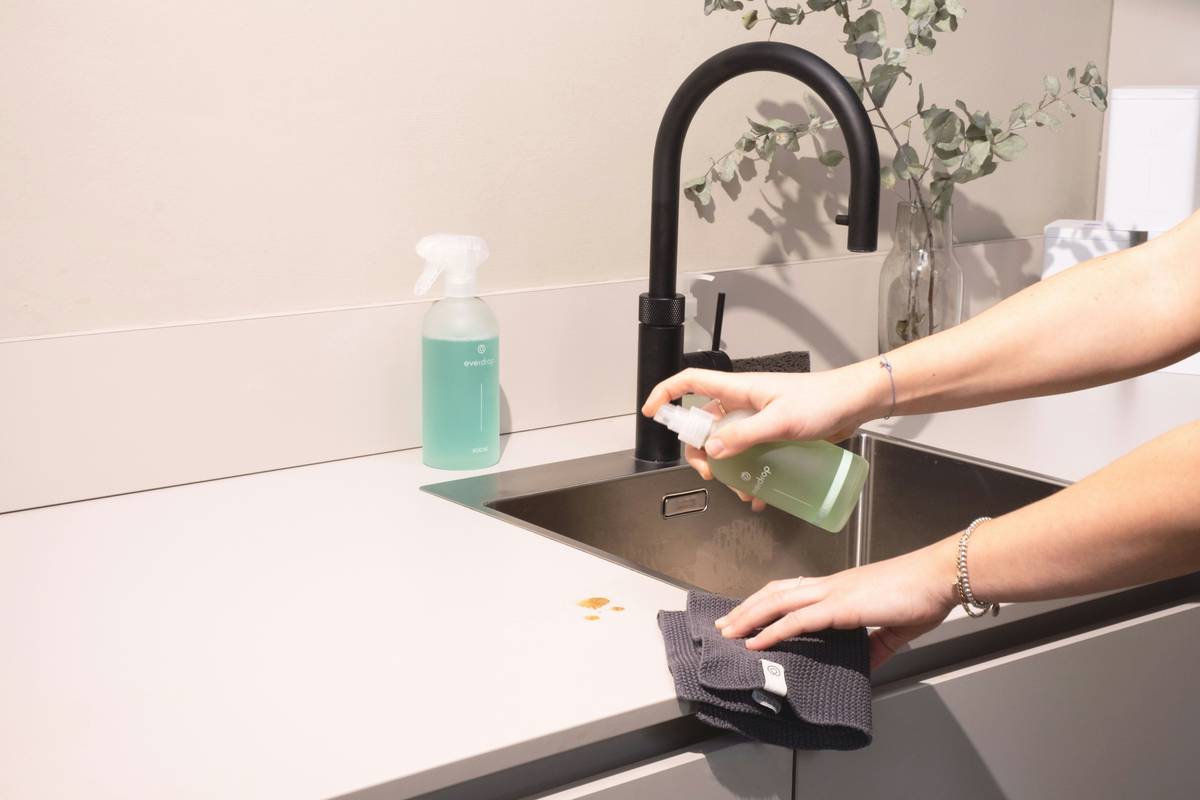
Here’s something manufacturers won’t tell you: luxury hotels clean floor-to-ceiling windows and stainless steel fixtures using only water and high-grade microfiber. No ammonia. No alcohol. Just two cloths—one damp, one dry—and a specific folding technique that creates 8 clean edges per cloth.
They do this because chemical residues attract more dust. Microfiber, when properly engineered, lifts oils and particulates through mechanical action and static attraction alone. The secret? They rinse cloths in cold water only—never hot—and avoid fabric softeners, which clog the microscopic hooks in the fibers. One housekeeping manager I spoke with estimated they save $18,000 annually in chemical costs across a 200-room property. Your home can replicate this. But only if your cloth meets true performance standards.
Frequently Asked Questions
Are top rated microfiber cleaning cloths really eco-friendly?
Yes—if they last 300+ washes and replace hundreds of paper towels or chemical wipes. Avoid cloths with plastic stitching or non-recyclable packaging.
Can I use them on eyeglasses or phone screens?
Only if labeled “lint-free” and ≥250 GSM. Lower-quality cloths scratch coatings. Always use dry or slightly damp—never with household cleaners.
How often should I wash microfiber cloths?
After every heavy-duty use (grease, pet messes). For light dusting, every 3–5 uses. Wash in cold water, no bleach or softener. Air dry or tumble low.