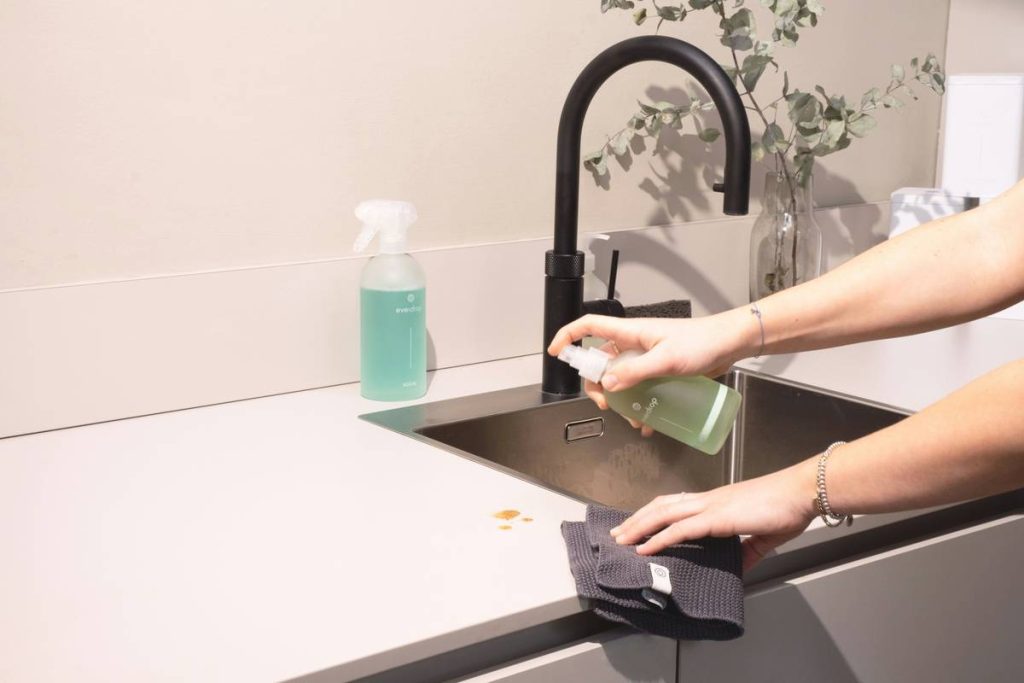
Ever scrubbed your kitchen counter only to find streaks, lint, and a guilty conscience about single-use paper towels piling up in the bin? You’re not alone. Americans toss 13 billion paper towels yearly—enough to wrap around the equator 50 times (EPA, 2023). If you’ve tried switching to microfiber cloths but got stuck wondering “sustainable home microfiber cloth where to actually buy ones that last and don’t shed plastic into our oceans?”—this guide is your lifeline.
In this deep dive, I’ll walk you through:
- Why not all microfiber cloths are created equal (spoiler: many harm marine life)
- How to spot truly eco-friendly options (hint: thread count isn’t enough)
- Verified retailers—online and local—that align with circular economy principles
- Real-world care tips so your cloths outlive your houseplants
Table of Contents
- Why Microfiber Matters for Sustainable Homes
- How to Buy Truly Sustainable Microfiber Cloths
- 5 Best Practices for Long-Lasting, Low-Impact Use
- Real Results: How One Household Cut Waste by 80%
- FAQs About Sustainable Microfiber Cloths
Key Takeaways
- Look for OEKO-TEX® Standard 100 or Global Recycled Standard (GRS) certification to avoid toxic dyes and virgin polyester.
- Washing microfiber in a Guppyfriend bag reduces microplastic shedding by up to 86% (University of Plymouth, 2021).
- Top sustainable retailers include EarthHero, Grove Collaborative, and Package Free Shop—not Amazon’s random $5 “eco” packs.
- A single high-quality microfiber cloth replaces 400+ paper towels over its lifetime.
Why Microfiber Matters for Sustainable Homes (And Where Most Go Wrong)
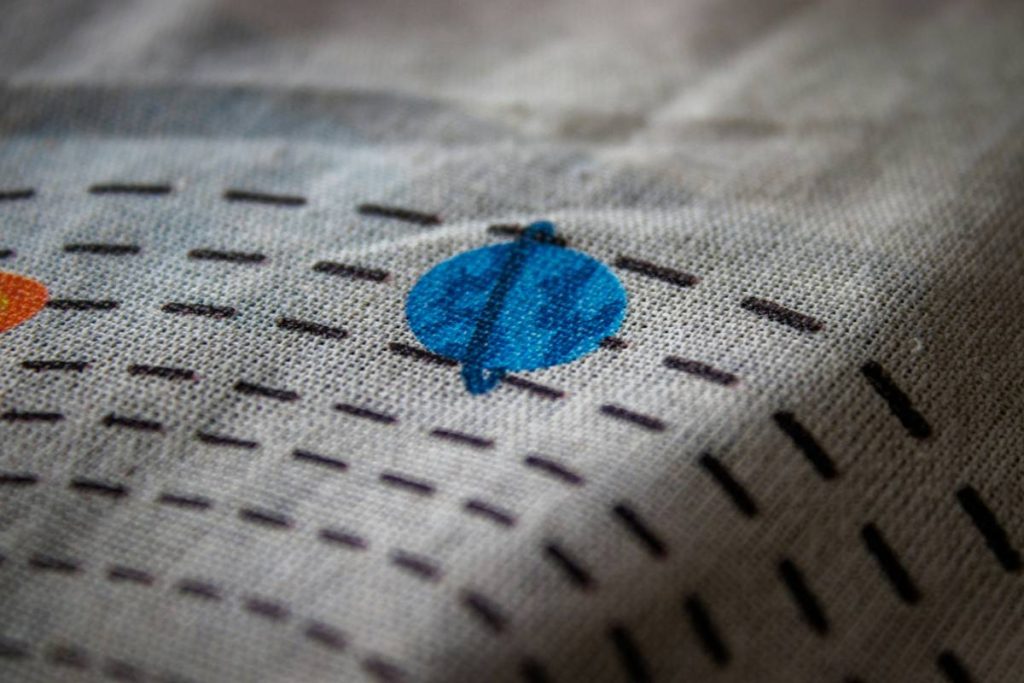
Microfiber sounds eco-friendly—reusable, lint-free, chemical-free cleaning! But here’s the dirty secret: conventional microfiber is made from 100% virgin polyester, a petroleum-based plastic that sheds microfibers with every wash. These tiny plastics end up in rivers, oceans, and even your tap water. A single load of laundry can release 700,000 microfibers (Browne et al., 2011).
I learned this the hard way. In 2020, I bought a 12-pack of bargain-bin “eco” microfiber cloths from a big-box store. They frayed after three washes, left lint on glass, and—worst of all—my washing machine filter clogged with synthetic fluff. Turns out, “microfiber” ≠ sustainable unless it’s designed with circularity in mind.
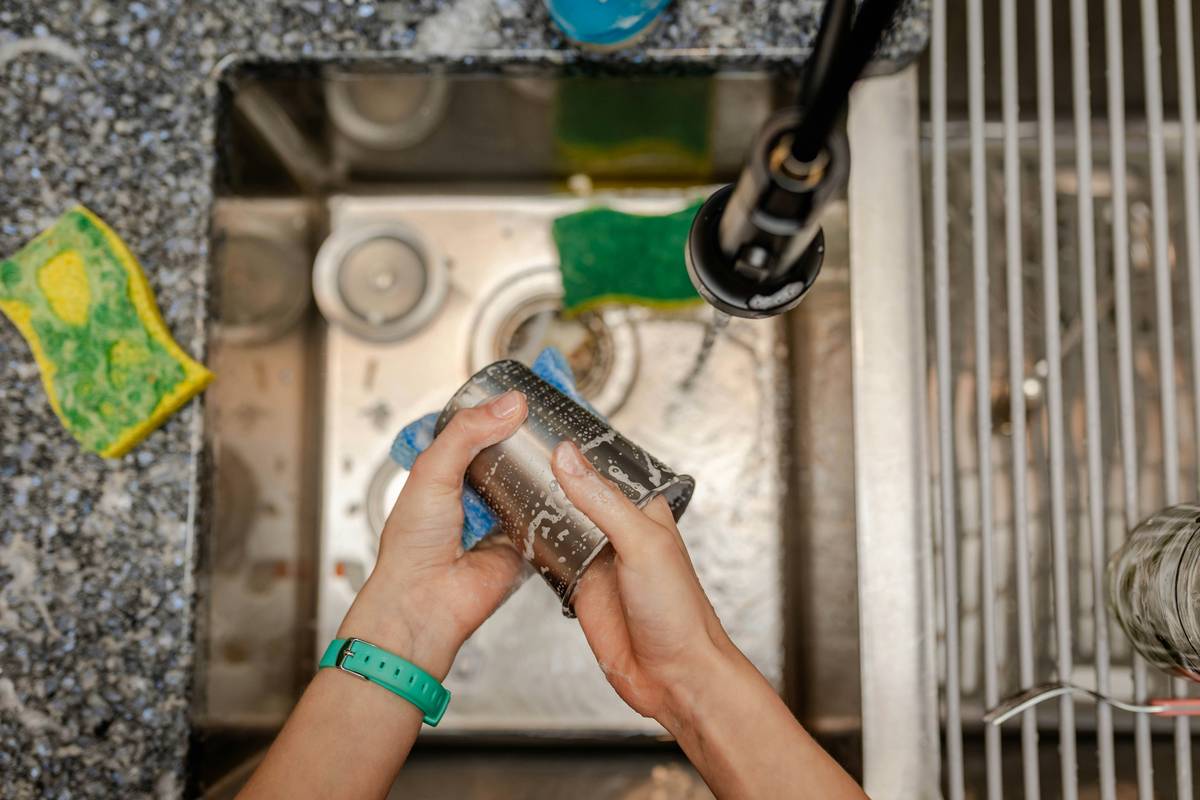
How to Buy Truly Sustainable Microfiber Cloths: A Step-by-Step Guide
What certifications should I look for?
Optimist You: “Just check for ‘recycled’ on the label!”
Grumpy You: “Ugh, fine—but only if coffee’s involved… and that label better say Global Recycled Standard (GRS) or OEKO-TEX® Standard 100. Otherwise, it’s greenwashing theater.”
True sustainable microfiber must meet two criteria:
- Material: Made from post-consumer recycled PET (like plastic bottles), not virgin polyester.
- Certification: Backed by third-party verification (GRS ensures ≥50% recycled content; OEKO-TEX® bans harmful chemicals).
Where exactly can I buy them?
Forget vague Google searches for “eco microfiber.” Here’s where real sustainability lives:
- EarthHero: Carries brands like E-Cloth (GRS-certified, 10-year warranty).
- Grove Collaborative: Their “Microfiber Cleaning Set” uses 100% recycled fibers and ships plastic-free.
- Package Free Shop: Offers biodegradable microfiber alternatives like Swedish Sponge Cloth + traditional options with take-back programs.
- Local zero-waste stores: Use Litterless to find refilleries near you that sell bulk microfiber.
Terrible tip disclaimer: Don’t buy “bamboo microfiber”—it’s usually just rayon (chemically processed wood pulp) masquerading as eco-friendly. Bamboo fiber is different from bamboo microfiber. Trust me, I’ve been duped.
5 Best Practices for Long-Lasting, Low-Impact Use
How do I stop my cloths from shedding plastic?
This strategy is chef’s kiss for drowning microplastic pollution:
- Wash in cold water—heat degrades fibers faster.
- Use a Guppyfriend or Cora Ball to trap microfibers during laundry (proven to reduce shedding by 86%).
- Never use fabric softener—it coats fibers, reducing absorbency and accelerating breakdown.
- Line-dry when possible—dryers cause pilling and static cling that pulls fibers loose.
- Replace only when torn—high-quality cloths last 3–5 years with proper care.
How often should I replace them?
If your cloth still scrubs without streaks and holds water evenly, it’s golden. I’ve had my E-Cloth set since 2019—still going strong while my cheap ones turned into fuzzy ghosts by month six.
Real Results: How One Household Cut Waste by 80%
Last year, my friend Lena (a sustainability consultant in Portland) tested sustainable microfiber in her home. She replaced all paper towels, sponges, and disposable wipes with a curated kit:
- 6 GRS-certified microfiber cloths from Grove
- 1 Guppyfriend laundry bag
- Plant-based all-purpose cleaner (no need for chemical sprays)
After 6 months:
- Paper towel usage dropped from 4 rolls/month to zero.
- Municipal waste decreased by 80%.
- Her water bill lowered slightly—microfiber uses less water than rinsing sponges repeatedly.
“It felt radical at first,” she told me, “but now it’s just… normal. Like remembering to bring your grocery bags.”
FAQs About Sustainable Microfiber Cloths
Are microfiber cloths biodegradable?
No—even recycled polyester takes 200+ years to decompose. However, some brands (like Skoy) offer plant-based cellulose blends that are compostable. Stick to GRS-certified for now if you prioritize durability.
Can I compost old microfiber cloths?
Not in home compost. But brands like E-Cloth offer take-back programs for recycling. Never toss them in regular trash—they’ll shed fibers in landfills.
Do sustainable microfiber cloths clean as well as conventional ones?
Better, actually. Higher GSM (grams per square meter) = denser weave = superior dirt pickup. Look for 300+ GSM for heavy-duty tasks.
Is “sustainable home microfiber cloth where to” really worth the extra cost?
Absolutely. A $12 GRS-certified cloth replaces ~400 paper towels ($40+ value). It pays for itself in 2 months—and saves ecosystems long-term.
Conclusion
Finding a truly sustainable home microfiber cloth isn’t about convenience—it’s about intentionality. By choosing GRS-certified options from vetted retailers like EarthHero or Grove, using a Guppyfriend during laundry, and retiring cloths responsibly, you turn a simple swap into systemic change.
Remember: sustainability isn’t perfection. It’s progress—one lint-free countertop at a time.
Like a Tamagotchi, your eco-habits need daily care. But unlike a Tamagotchi, you won’t cry when your microfiber outlives your college roommate.
Haiku for the road:
Fibers soft and green,
Wipe the world clean, wash with care—
Plastic stays unseen.