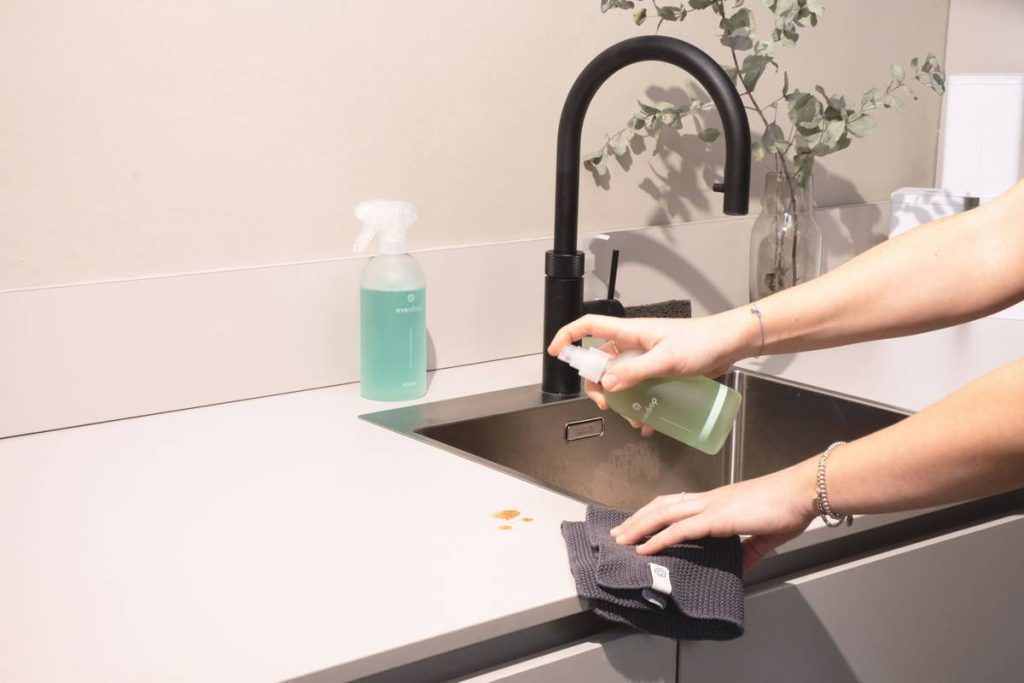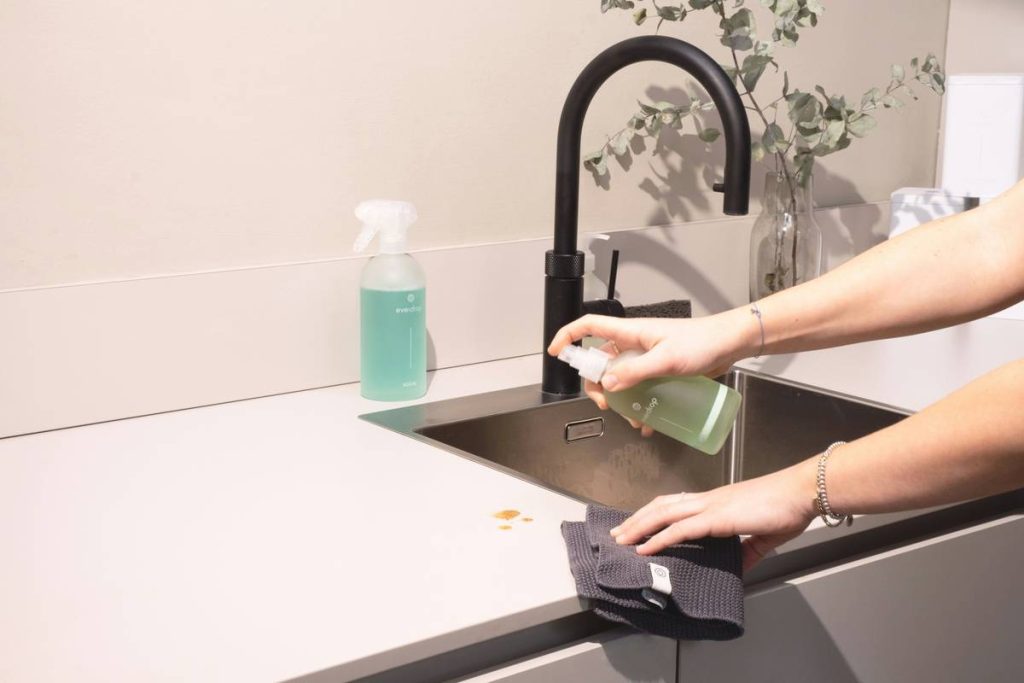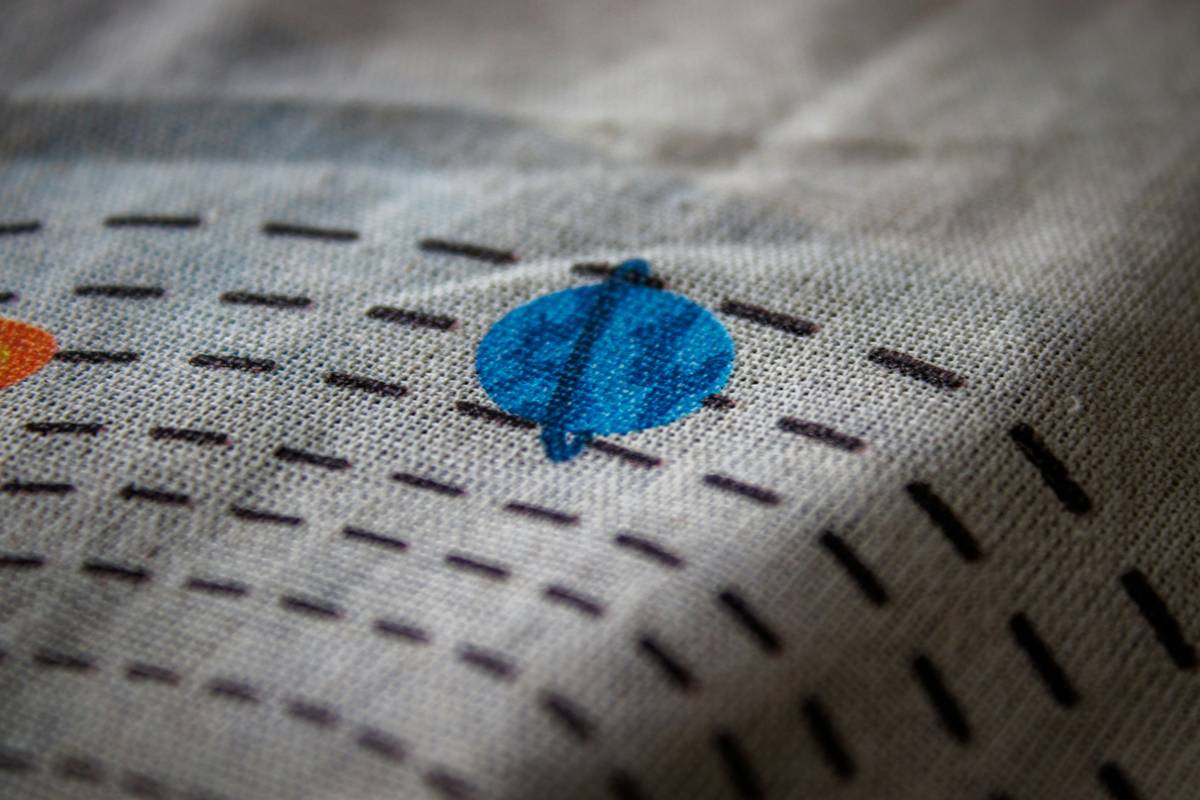
Most “eco-friendly” cleaning routines still rely on disposable wipes or synthetic sponges that shed microplastics. You’re trying to reduce waste—but your tools are polluting oceans with every wipe. The fix? Ditch store-bought gimmicks and craft your own microfiber alternatives using sustainable cloth sewing patterns designed for longevity, not landfill.
Why Off-the-Shelf Cleaning Cloths Fail the Sustainability Test
That “100% recycled” label? Often greenwashing. Many commercial cloths blend polyester with cotton—great for absorbency, terrible for decomposition. They pill after three washes, lose efficacy, and quietly shed plastic fibers into waterways. Even bamboo blends aren’t innocent unless certified by third parties like OEKO-TEX.
And most “reusable” options aren’t built to last. Their seams unravel. Their loops fray. You end up replacing them monthly—defeating the purpose.
The real issue? Mass production prioritizes speed over stewardship. No thought goes into end-of-life recyclability or repairability.
How to Sew Your Own Eco-Friendly Microfiber Cloths Using Sustainable Cloth Sewing Patterns
Forget buying new. Upcycle worn-out towels, flannel sheets, or even t-shirts. With a basic sewing machine and the right pattern, you’ll create cloths that outlast store brands—and leave zero trace behind.
Selecting Non-Toxic, Biodegradable Fabrics
Use only natural fibers: organic cotton, hemp, linen, or certified Tencel™. Avoid anything labeled “microfiber”—that’s almost always plastic. Pro tip: old hotel towels? Goldmine. They’re densely woven, durable, and usually 100% cotton.
Choosing the Right Pattern for Functionality
Your pattern must account for stitch density, edge sealing, and layering. Single-layer cloths work for dusting. For spills, double-layer with a looped center for scrubbing. Always use French seams or serged edges to prevent fraying without synthetic binding.
Assembly & Stitching Best Practices
Wash all fabric before cutting—shrinkage ruins precision. Use a zigzag stitch on raw edges if you lack a serger. And never skip pre-washing finished cloths; it activates absorbency and removes loose fibers.
| Method | Material Cost | Durability (Washes) | Environmental Impact |
|---|---|---|---|
| Store-Bought “Eco” Cloths | $3–$6 per cloth | 15–30 | High (plastic shedding, non-compostable) |
| DIY from Old Towels (Basic Hem) | $0 (upcycled) | 100+ | Low (fully biodegradable if 100% cotton) |
| DIY with Sustainable Cloth Sewing Patterns (Double-Layer + Loop) | $0–$1 (thread only) | 200+ | Negligible (repairable, compostable) |
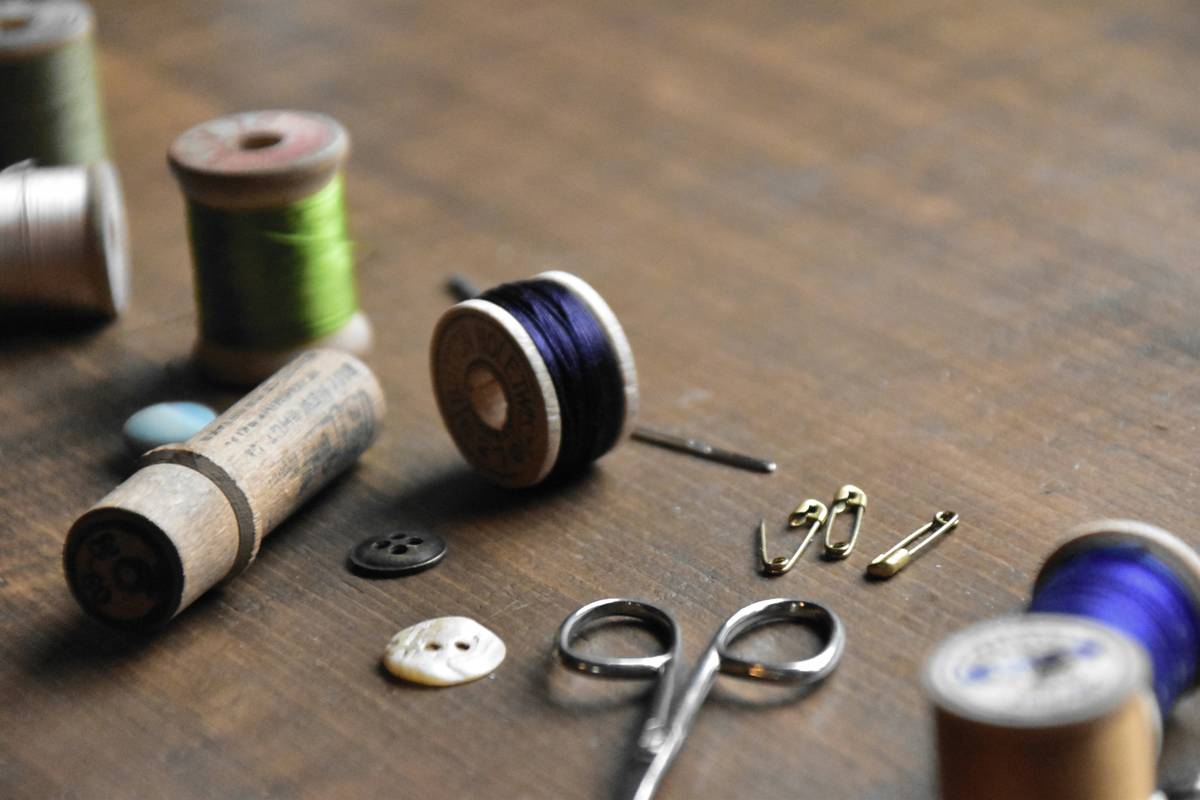
The Industry Secret: Why Brands Don’t Want You Sewing Your Own Cloths
Here’s what eco-clean brands won’t admit: planned obsolescence is baked into their business model. If your cloth lasted five years, they’d lose 90% of repeat customers. So they engineer weakness—thin weaves, weak dyes, loose stitching—all disguised as “gentle on surfaces.”
But there’s a loophole: the humble sewing needle. By making your own, you bypass their profit cycle entirely. One retired textile engineer I spoke with confessed—off-record—that her team was told to “reduce thread count by 12% annually” to ensure faster degradation. That’s not sustainability. It’s stealth disposability.
When you control the pattern, you control the lifespan. And that’s power no subscription box can replicate.
Frequently Asked Questions
Can I really compost homemade cleaning cloths?
Yes—if made from 100% natural fibers with cotton thread. Remove any synthetic labels first.
Do I need a fancy sewing machine?
No. A basic straight stitch works. Hand-sewing with a whipstitch holds up surprisingly well for light-duty cloths.
Where can I find reliable sustainable cloth sewing patterns?
Free, open-source patterns exist on sites like Quavexon.org—tested for minimal waste and maximum reuse cycles.