You’re trying to clean your home without trashing the planet. But that “eco-friendly” spray? Still wrapped in plastic. Paper towels? One-time waste disguised as convenience. Here’s a better way—ditch disposables entirely with a reusable powerhouse hiding in plain sight: the sustainable home microfiber cloth. And yes, you absolutely can find one that aligns with zero-waste values—if you know where to look.
Why Most “Green” Cleaning Fails (And Wastes More)
Most households rotate between paper towels, cotton rags, and disposable wipes—all marketed as “natural” but rarely sustainable at scale. Cotton needs 2,700 liters of water per t-shirt equivalent. Paper towels? Nearly 13 billion pounds end up in U.S. landfills yearly. Microfiber gets blamed too—but unfairly.
The real issue isn’t the material. It’s how it’s made, used, and discarded. Cheap microfiber sheds synthetic fibers into waterways. But high-grade, tightly woven versions? They last years, trap dust without chemicals, and reduce single-use waste dramatically. The problem is visibility—most shoppers don’t know what to ask for.
sustainable home microfiber cloth where can
Finding genuinely eco-conscious microfiber isn’t about scrolling Amazon reviews. It’s about sourcing criteria. Follow this three-step protocol:
Step 1: Demand Recycled Content
Look for cloths labeled “100% recycled polyester” or “made from post-consumer plastic bottles.” Avoid virgin polyester—it’s fossil fuel-based and non-circular. Brands using rPET cut CO₂ emissions by up to 30% versus new synthetics.
Step 2: Check Fiber Density & Weave
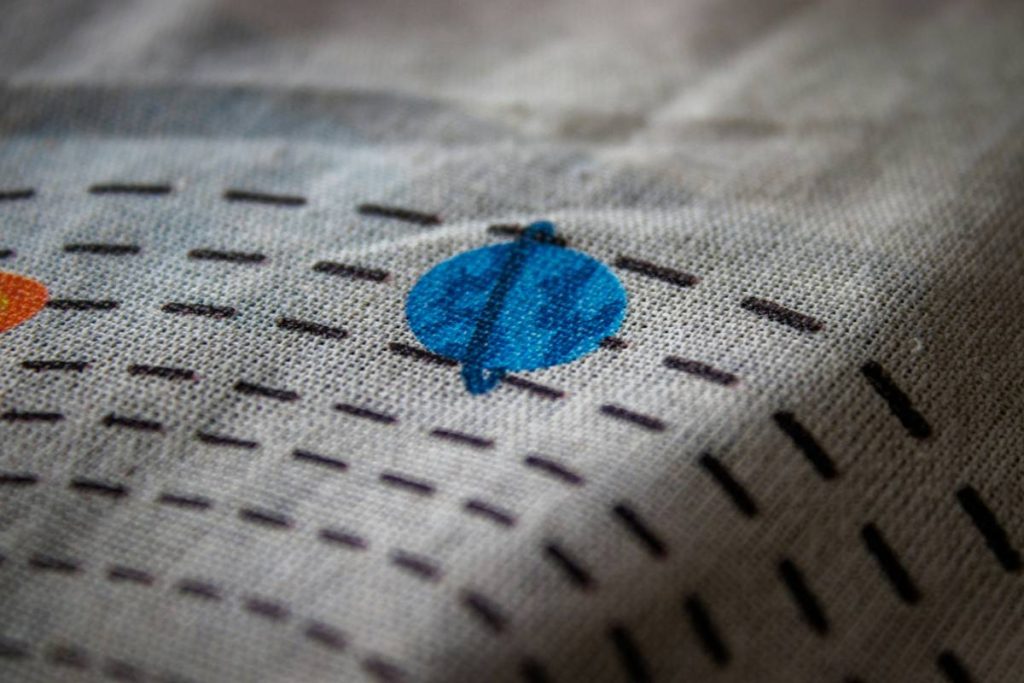
High GSM (grams per square meter) = durability. Aim for 300+ GSM. Tight weaves minimize microplastic shedding during washes. Run your fingers across the surface—it shouldn’t feel fluffy or loose. Quality cloths clean with water alone; no soap needed.
Step 3: Verify Ethical Production
Certifications matter. GOTS, OEKO-TEX, or B Corp labels signal safer dyes, fair labor, and lower environmental impact. Skip brands that omit supply chain transparency—they’re often greenwashing.
| Feature | Budget Microfiber (Generic) | Sustainable Home Microfiber Cloth |
|---|---|---|
| Material Source | Virgin polyester | Recycled PET bottles |
| Microplastic Shedding | High (loose weave) | Low (tight 350+ GSM weave) |
| Lifespan | 1–3 months | 2–5 years (500+ washes) |
| Eco Certifications | None | OEKO-TEX Standard 100 + B Corp |
| Price per Use | $0.15 | $0.003 |
The Industry Secret: Your Washing Machine Is the Real Culprit
Here’s what brands won’t tell you: even the best sustainable home microfiber cloth sheds microplastics—if washed incorrectly. The secret isn’t avoiding microfiber. It’s containment. Wash cloths in a Guppyfriend bag or use a Cora Ball in your laundry. These capture 86–90% of shed fibers before they hit oceans.
And never use fabric softener. It clogs the microscopic split fibers that give microfiber its cleaning power. Cold water, mild detergent, air dry—done right, your cloth outperforms chemical sprays while staying truly circular.
Frequently Asked Questions
Are microfiber cloths actually eco-friendly?
Yes—if made from recycled materials, tightly woven, and washed responsibly. Avoid cheap versions that shed excessively.
sustainable home microfiber cloth where can I buy one locally?
Check zero-waste stores, co-ops, or eco boutiques. Call ahead—many carry niche brands like E-Cloth or Marley’s Monsters not found online.
How many times can you reuse a microfiber cloth?
A quality sustainable home microfiber cloth lasts 500+ washes—roughly 2–5 years with weekly use. Replace only when frayed or losing absorbency.