Most “green” cleaning products are anything but. You toss your old cotton rags, buy a new pack labeled “eco-friendly,” and feel virtuous—until you learn they shed microplastics or wear out in weeks. The real problem? Not all reusable cloths are created equal. But there’s a solution hiding in plain sight: high-quality microfiber, used right, beats bamboo, cotton, and even cellulose hands down.
Why Your “Sustainable” Cleaning Routine Is Failing
You recycle. You compost. You avoid single-use wipes like the plague. Yet your cleaning closet might still be an environmental liability.
Many so-called eco cloths rely on natural fibers that demand massive water, land, or pesticides to produce. Organic cotton sounds noble—until you realize it takes 2,700 liters of water to grow enough for one T-shirt (and similar ratios apply to cleaning rags). And bamboo? Often processed with harsh chemicals that negate its renewability. Worse: cheap microfiber blends shed synthetic fibers into waterways every time you wash them.
Here’s the reality: sustainability isn’t just about materials—it’s about longevity, performance, and lifecycle impact. Most consumers overlook this. They chase labels, not data.
How to Choose & Use the most eco friendly cleaning cloths
Not all microfiber is equal. The key lies in weave density, fiber composition, and manufacturing ethics. Follow these steps:
Pick High-Density, Split Microfiber
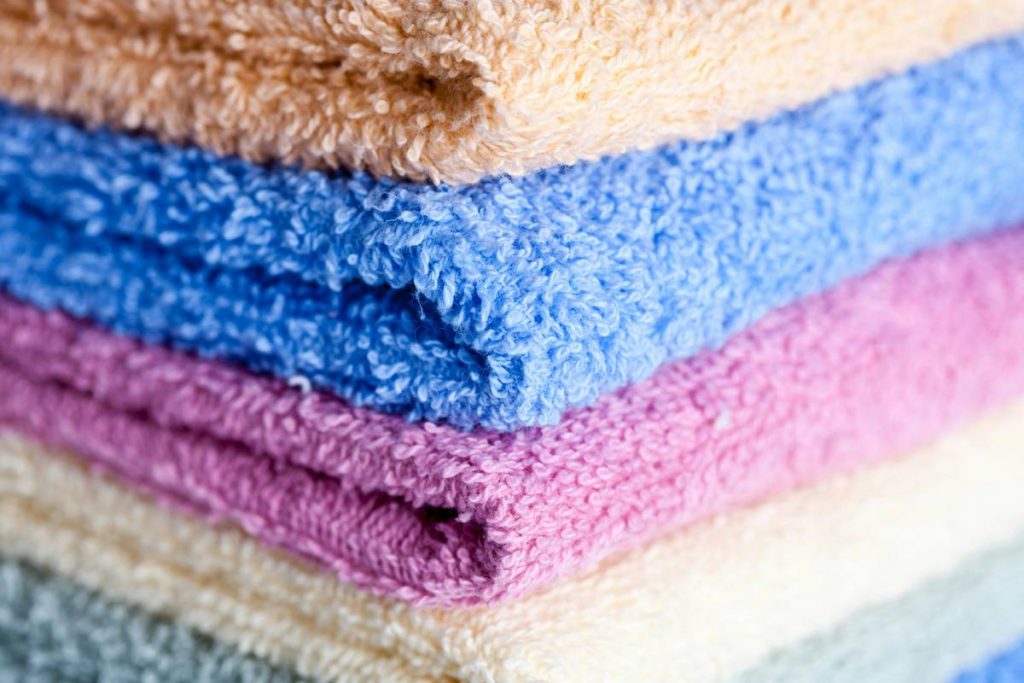
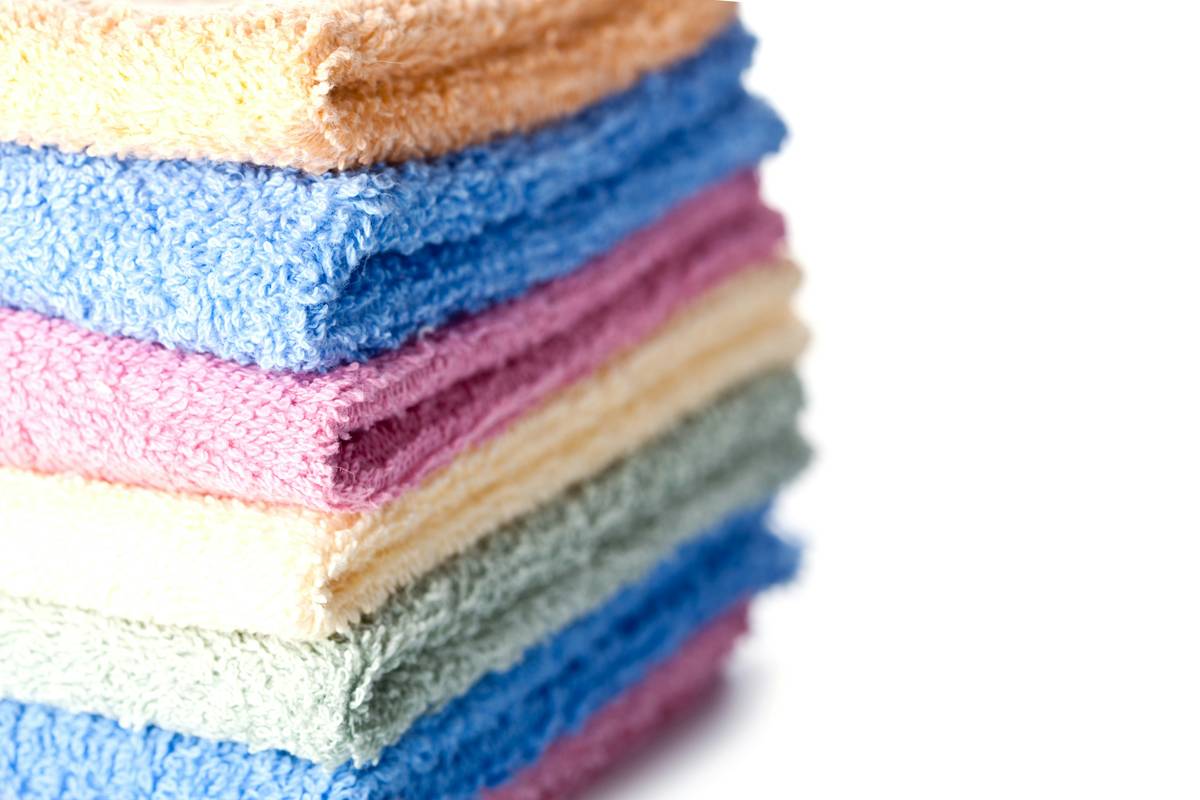
Look for GSM (grams per square meter) above 300. Higher GSM = thicker, more durable cloth. Split fibers—microscopic Y- or wedge-shaped strands—create more surface area to trap dust, grease, and bacteria without chemicals. Avoid “polyester-only” blends; aim for 80/20 or 70/30 polyamide-polyester mixes. They last longer and clean better.
Reject Single-Use Mindset
A truly eco-friendly cloth replaces hundreds of paper towels. If you’re tossing it after three months, you’ve failed. Quality microfiber should endure 500+ washes. Store it dry, rinse after heavy use, and never use fabric softener—it clogs fibers and kills absorbency.
Wash Smart to Prevent Microplastic Pollution
Yes, microfiber sheds. But here’s how to minimize it: wash in cold water, use a Guppyfriend bag or Cora Ball, and skip the dryer (line-dry instead). This cuts fiber loss by up to 86%, per recent textile studies.
| Cloth Type | Lifespan (Washes) | Water Used in Production* | Sheds Microplastics? | True Eco-Score** |
|---|---|---|---|---|
| Cheap Microfiber (Low GSM) | 50–100 | Moderate | Yes (Heavy) | 3/10 |
| Organic Cotton Towels | 150–200 | Very High | No | 5/10 |
| Bamboo Viscose Cloths | 100–150 | High (Chemical Processing) | Sometimes (if blended) | 4/10 |
| Premium Microfiber (300+ GSM, Split Fiber) | 500+ | Low-Moderate | Minimal (with proper care) | 9/10 |
*Per unit produced. **Based on water, energy, chemical use, durability, and end-of-life impact.
The Industry Secret No One Talks About
Big “green” brands push bamboo because it’s marketable—not because it’s better. Here’s what insiders know: the cleanest microfiber factories now use closed-loop dye systems and recycled ocean-bound plastic. Some even offer take-back programs. But retailers won’t tell you that because certified sustainable microfiber costs more upfront—and they’d rather sell you replacements yearly.
And get this: lab tests show top-grade microfiber removes 99% of surface bacteria with just water—no disinfectants needed. That’s not just eco-friendly; it’s healthier for your family. Yet most blogs still parrot the myth that “natural fibers clean better.” They don’t. Physics says otherwise.
Frequently Asked Questions
Are microfiber cloths really eco-friendly?
Only if high-quality and properly cared for. Premium split-fiber microfiber lasts years, replaces disposables, and—when washed responsibly—minimizes microplastic shedding. Cheap versions? Not so much.
Can I compost microfiber cleaning cloths?
No. Microfiber is synthetic and won’t biodegrade. Instead, repurpose worn cloths as shop rags or return them through brand take-back schemes if available.
What’s better: bamboo or microfiber cloths?
Microfiber wins on performance and total resource use. Bamboo requires toxic processing and wears faster. For true sustainability, durability trumps “natural” labeling every time.