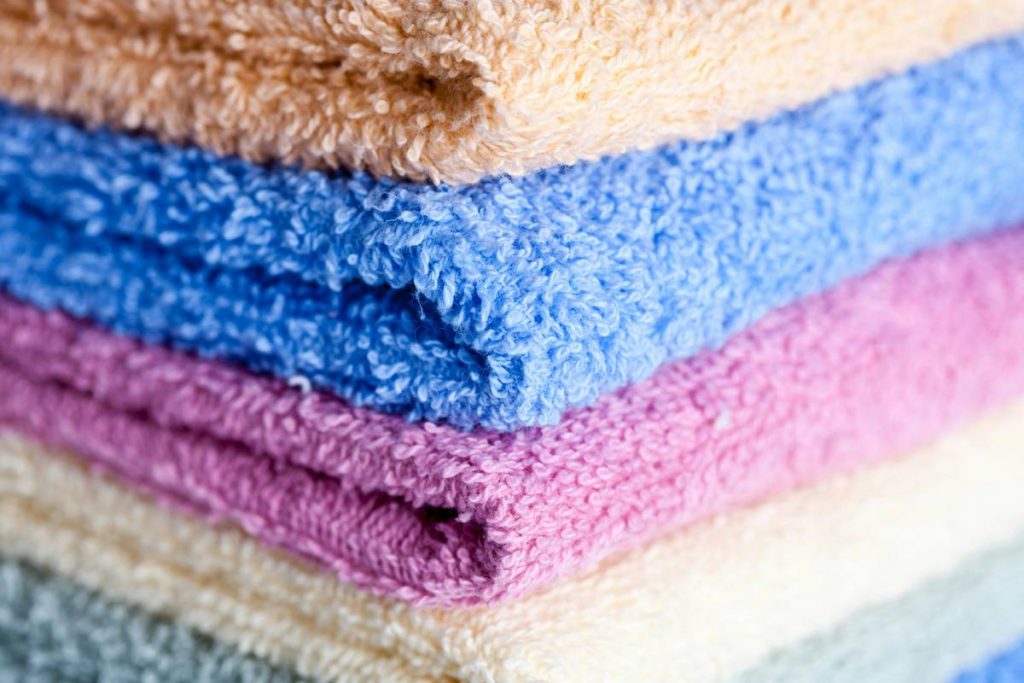
You switched to “green” cleaning products—great. But your microfiber cloths? They might be sabotaging your sustainability goals. These ultra-soft wipes promise streak-free surfaces and zero chemicals. Yet hidden in their synthetic fibers is a plastic pollution problem most brands won’t talk about. The solution isn’t ditching them entirely—it’s using them smarter.
The Core Problem: Why Conventional Cleaning Fails the Planet
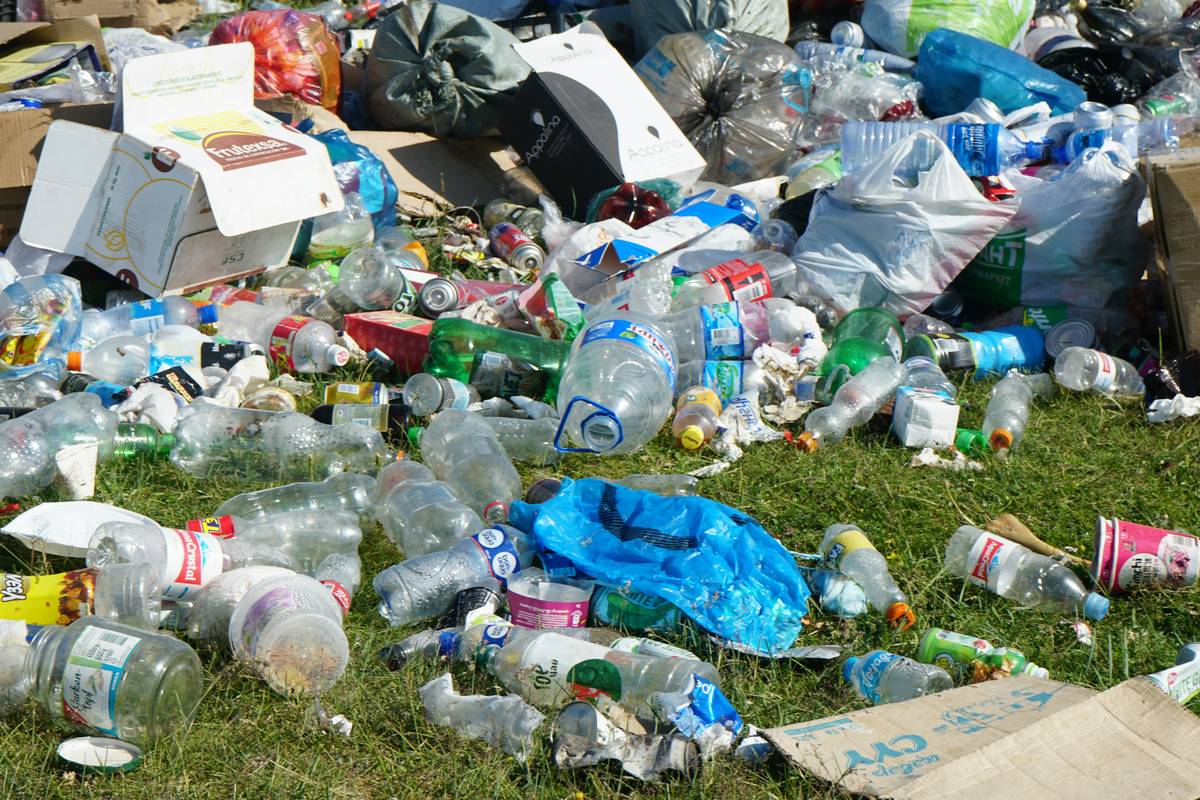
Traditional cotton rags seem harmless—until you count the water, pesticides, and energy needed to grow, bleach, and ship them. Paper towels? A landfill nightmare. Then came microfiber: marketed as reusable, efficient, and chemical-free. Sounds perfect. But here’s the catch—microfiber is plastic. Made from polyester and polyamide, each wash sheds thousands of microplastics into waterways. These particles don’t biodegrade. They accumulate—in fish, in soil, eventually in us.
And most users toss them after a few months, thinking they’re “worn out.” That’s a waste pipeline disguised as convenience.
Are Microfiber Cloths Eco Friendly? A Realistic Step-by-Step Guide
Yes—they can be eco-friendly—if you treat them like precision tools, not disposable wipes. Here’s how:
Choose High-Quality, Long-Lasting Weaves
Dense, split-weave microfiber lasts 500+ washes. Cheap versions pill and shed faster. Look for GSM (grams per square meter) over 300—higher density = fewer fibers lost.
Wash Them Right (No Fabric Softener!)
Fabric softeners clog fibers, reducing absorbency and increasing shedding. Wash in cold water with mild detergent. Use a microfiber-catching laundry bag—it traps up to 86% of microplastics.
Retire, Don’t Trash
When cloths lose effectiveness, repurpose them as dust rags, pet wipes, or packing material. Some brands even offer take-back recycling programs.
| Cleaning Method | Lifespan (Uses) | Water Used (Gallons/Year*) | Microplastic Shedding | End-of-Life Impact |
|---|---|---|---|---|
| Paper Towels | 1 | 0 (direct), but high in production | None | Landfill (non-compostable if bleached) |
| Cotton Rags | 100–200 | ~2,400 | None | Biodegradable (if untreated) |
| Low-Quality Microfiber | 50–100 | ~300 | High (per wash) | Persistent microplastic pollution |
| Premium Microfiber (properly cared for) | 500+ | ~300 | Low (with filtration) | Recyclable via specialty programs |
*Estimates based on average U.S. household cleaning habits. Water for cotton includes irrigation and laundering.
The Industry Secret: Most “Green” Brands Ignore Microplastic Leakage
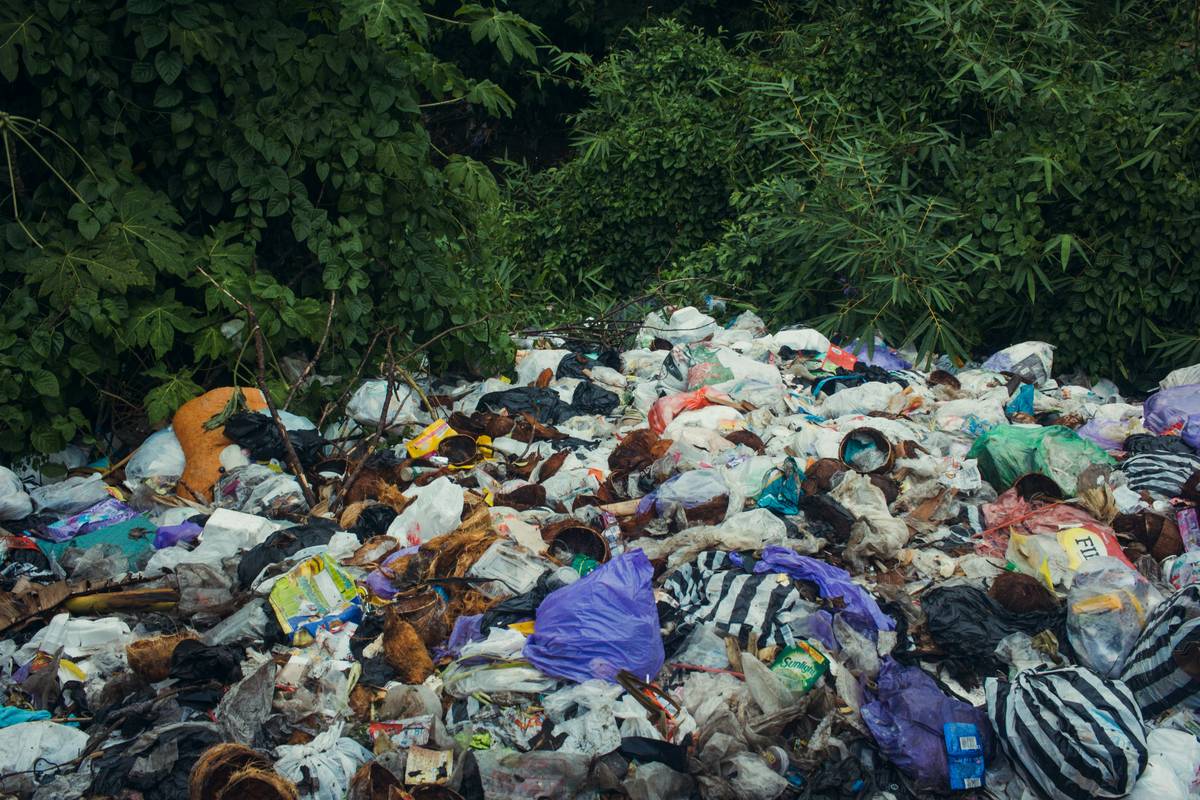
Here’s what eco-certifications won’t tell you: a single load of microfiber laundry can release 700,000 fibers into wastewater. Municipal treatment plants capture only 65–90%—the rest flows into rivers and oceans. And while companies tout “reusable” benefits, few invest in closed-loop recycling or fiber-capture tech. Why? Because it cuts margins. The real sustainability win isn’t just reusing—it’s preventing leakage. That’s on us as consumers to demand—and implement—at home.
FAQ
Do microfiber cloths shed microplastics?
Yes—every wash releases synthetic fibers. Using a laundry bag and avoiding hot water reduces shedding significantly.
How long do eco-friendly microfiber cloths last?
High-quality cloths used properly last 2–5 years (500+ washes). Cheap ones degrade in months.
Can you compost microfiber cloths?
No. They’re plastic-based and won’t break down. Repurpose or recycle through textile programs instead.