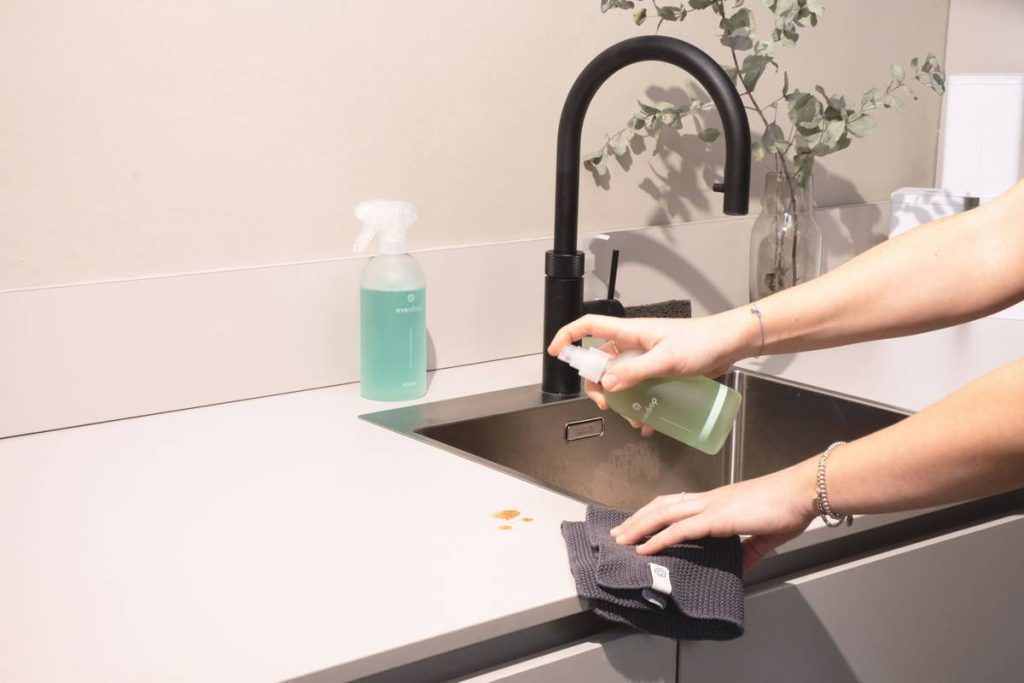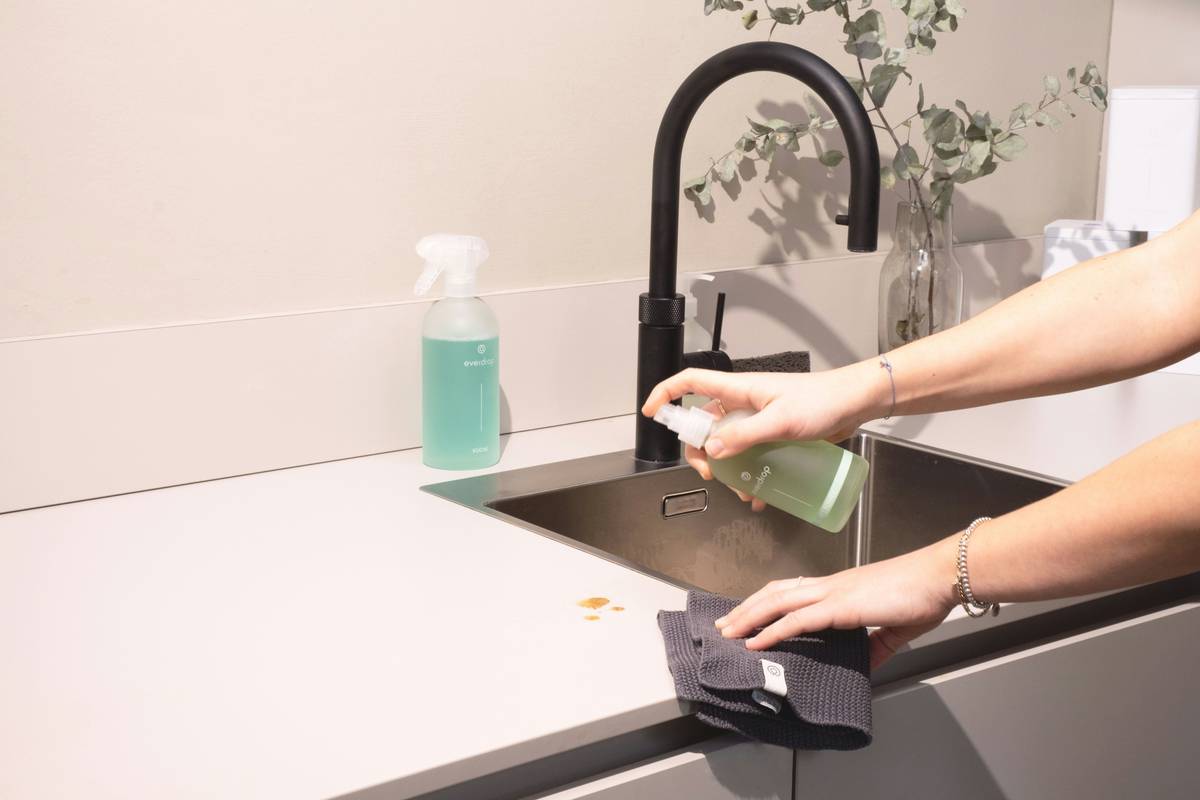
Most “eco-friendly” cleaning routines still rely on paper towels, chemical sprays, or cotton rags that wear out in weeks. You’re told you’re helping the planet—while silently trashing it with every swipe. The truth? Real green cleaning starts with what you wipe with. Enter the sustainable home microfiber cloth green living standard: reusable, chemical-free, and shockingly effective.
Why Your Current Cleaning Cloths Are Failing the Planet
That bargain-bin “microfiber” pack from the big-box store? It’s likely shedding plastic microfibers into your drains with every wash—ending up in oceans, fish, and eventually your food chain. And cotton cloths? They demand 20,000 liters of water per kilogram to grow. Not sustainable. Just convenient.
Worse—they lose absorbency fast. You toss them after a month. Rinse. Repeat. Waste accumulates quietly.
sustainable home microfiber cloth green living: A Step-by-Step Shift
Switching isn’t about buying more stuff. It’s about choosing better once—and using it right.
Select High-Density, Split-Fiber Microfiber
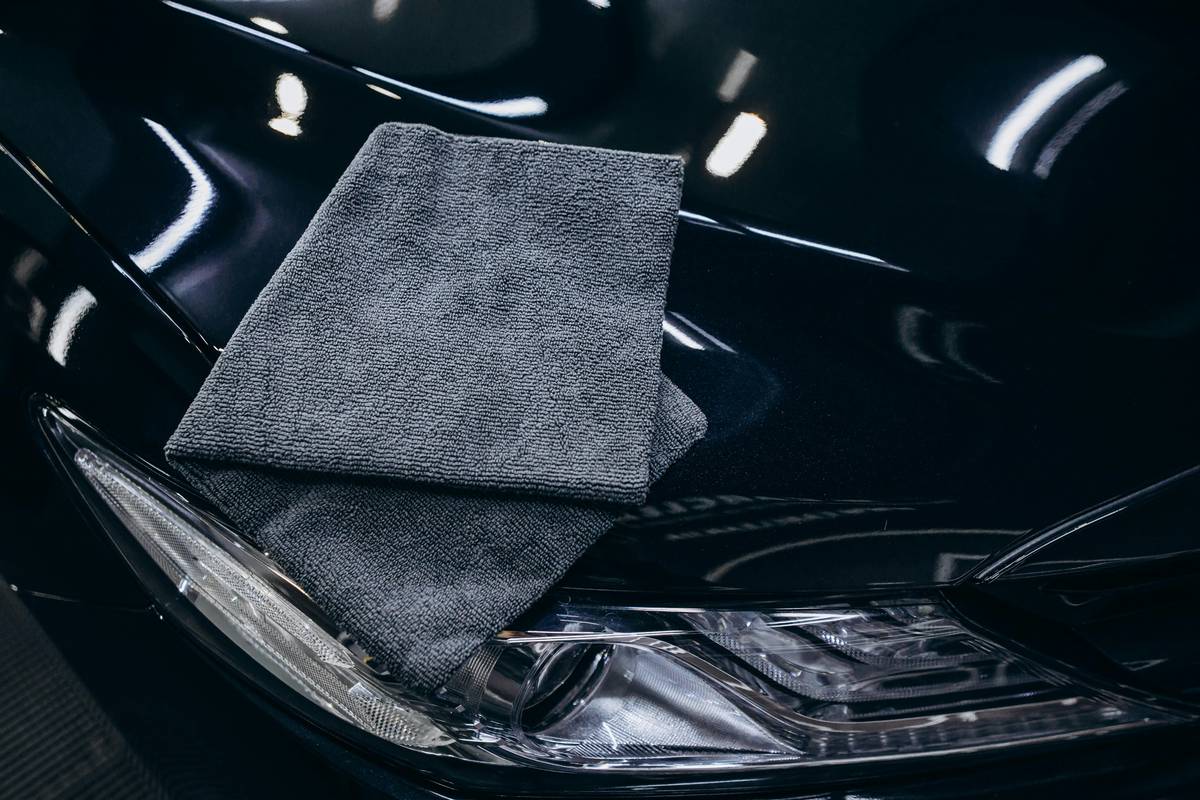
Not all microfiber is equal. Look for cloths labeled “split fiber” with a GSM (grams per square meter) above 300. These trap dirt at a microscopic level without chemicals. Cheap, low-GSM cloths just smear grime around.
Use Dry First, Wet Only When Necessary
Dust electronics, wood, or glass with a dry cloth first. The electrostatic charge grabs particles like a magnet. For sticky spills? Dampen slightly with water—no soap needed. This extends cloth life and avoids residue.
Wash Smart—Never With Fabric Softener
Fabric softeners coat fibers, killing absorbency. Wash your cloths in cold water with vinegar or baking soda instead. Air-dry. They’ll last 500+ uses if treated right.
| Cleaning Method | Cost Over 1 Year | Plastic Waste Generated | Water Footprint (Liters) |
|---|---|---|---|
| Paper Towels | $120–$180 | 4.5 kg (packaging + product) | 190 |
| Cotton Rags | $40–$60 | 0.8 kg (dyes, transport) | 20,000+ |
| Quality Microfiber Cloth (6-pack) | $25–$35 | 0.2 kg (one-time purchase) | 180 (washing only) |
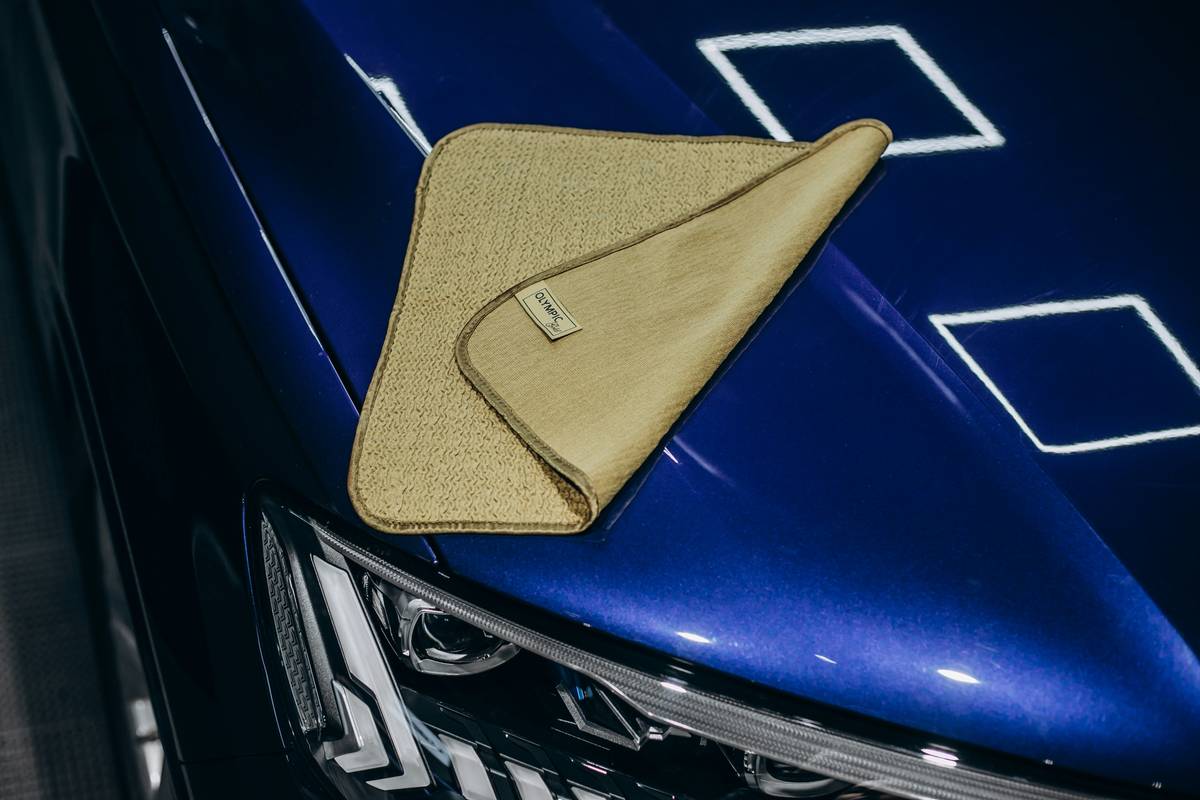
The Industry Secret: Most “Eco” Brands Hide Their Fiber Source
Here’s what no brand wants you to know: many so-called “sustainable” microfiber cloths are made from virgin polyester—oil-based plastic spun into fabric. That’s not circular. It’s greenwashing with a premium price tag.
The real win? Seek out brands using recycled PET bottles—like Repreve or Polartec-certified fibers. One cloth can contain 3–5 recycled bottles. And better yet: some innovators now blend post-consumer nylon with bio-based polymers (think castor oil) to reduce fossil dependence. But they won’t advertise it unless you ask. Demand transparency—or switch suppliers.
Frequently Asked Questions
Do microfiber cloths really clean without chemicals?
Yes. High-density split fibers create capillary action that lifts dirt, grease, and microbes mechanically—no toxins needed. Water often suffices.
How long do quality microfiber cloths last?
500+ washes if cared for properly. That’s 3–5 years of daily use. Replace only when fibers stiffen or lose grip.
Aren’t microfibers bad for the environment due to microplastics?
They can be—if low quality or washed improperly. Use a Guppyfriend bag or Cora Ball in your laundry to capture 80%+ of shed fibers. Choose recycled content to offset impact.