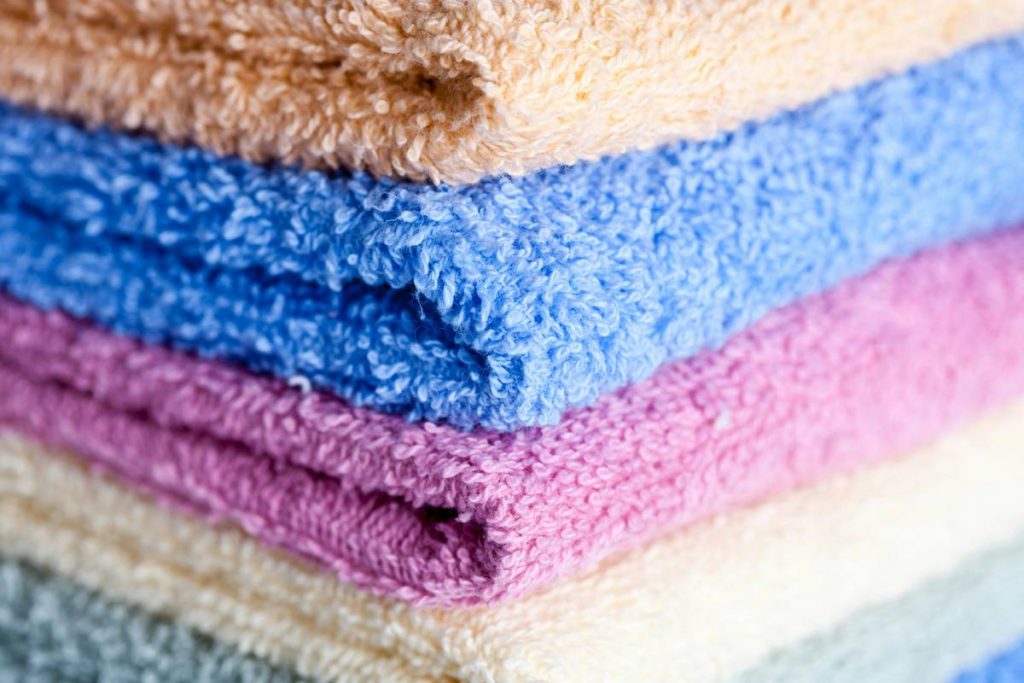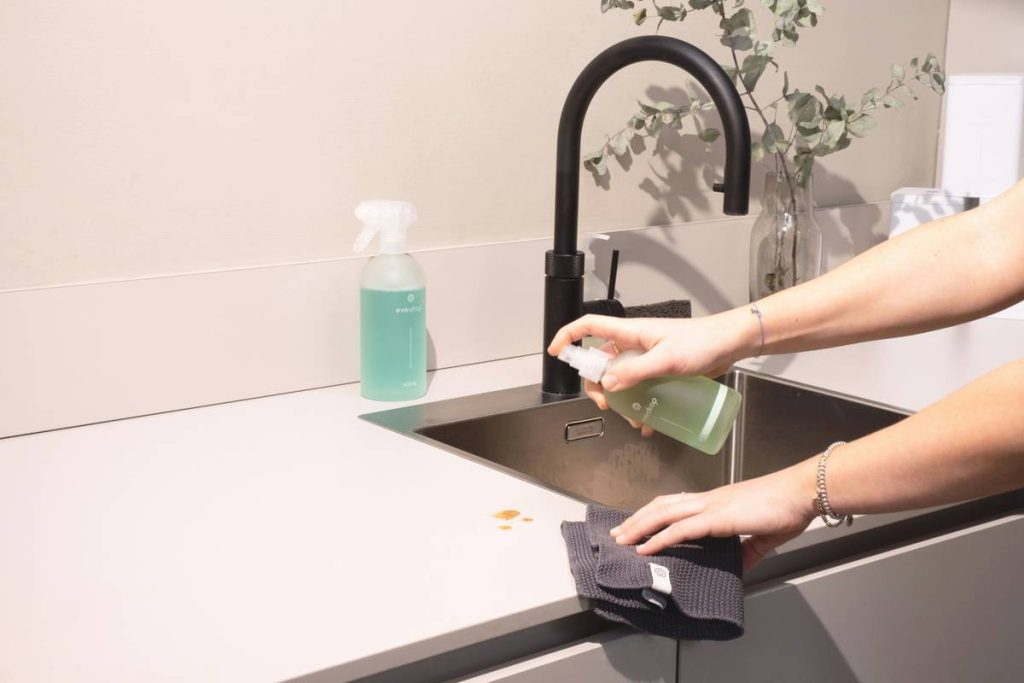
You’re scrubbing, rinsing, wiping—again. Chemicals pile up under the sink. Paper towels vanish by the roll. And your “green” routine still leaves streaks, waste, and guilt. The problem isn’t your effort—it’s your tool. Enter the non woven microfiber cloth: not just another rag, but a precision instrument for cleaner homes and lighter footprints.
Traditional Cleaning Cloths Are Failing the Planet (And Your Countertops)
Cotton rags shed lint. Sponges breed bacteria within days. Disposable wipes? They’re landfill-bound polyester masquerading as convenience. Even “reusable” options often require harsh detergents to stay functional—defeating the purpose of eco-cleaning.
Worse: most microfiber on the market is woven—a dense knit that traps dirt but resists deep cleaning without hot water and surfactants. You’re stuck in a rinse-repeat loop that drains resources and time.
How to Switch to Truly Sustainable Microfiber Cleaning
Pick the Right Fiber Architecture
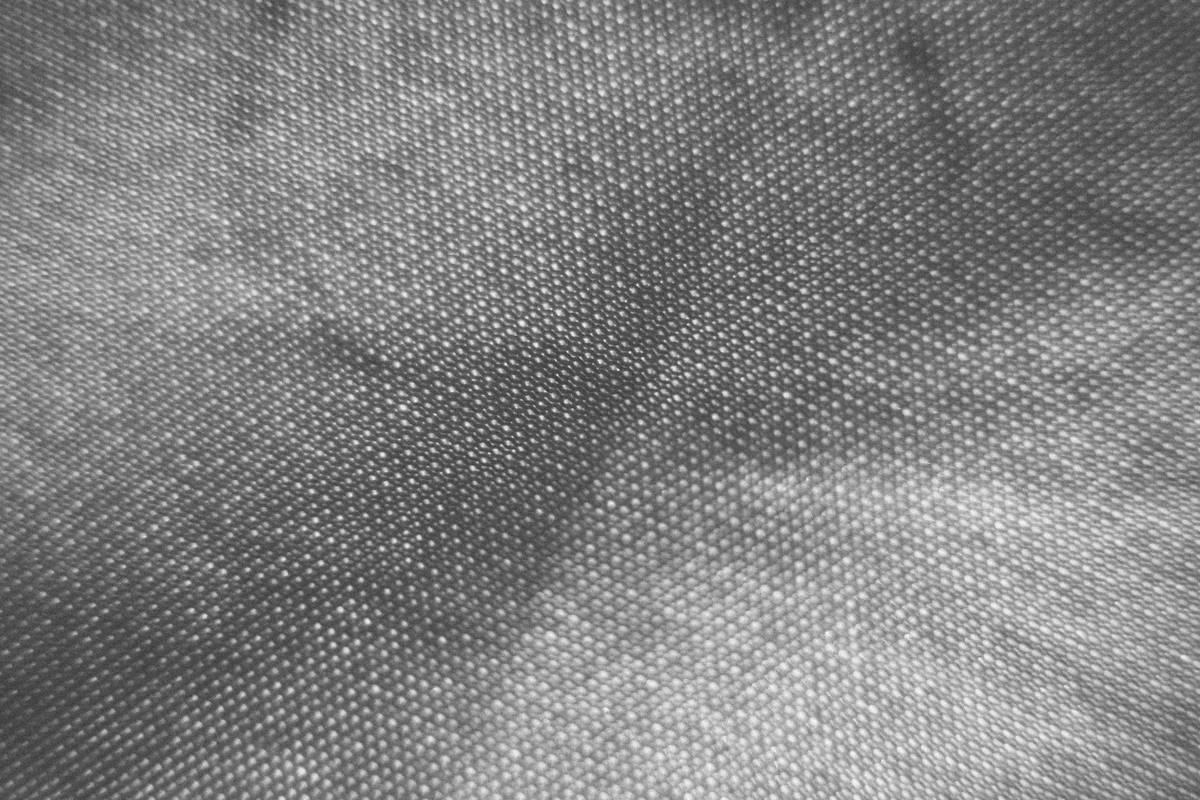
Not all microfiber is equal. Woven types rely on tight loops; non woven microfiber cloth uses randomly aligned fibers bonded mechanically or thermally. This creates a chaotic web—more surface area, better particle capture, zero shedding.
Use Cold Water Only—No Soap Needed
Rinse with cold tap water. That’s it. The electrostatic charge in non-woven fibers lifts dust and grease without chemicals. Hot water degrades the fiber bonds over time. Keep it cool, keep it clean.
Ditch the Dryer—Air-Dry Flat
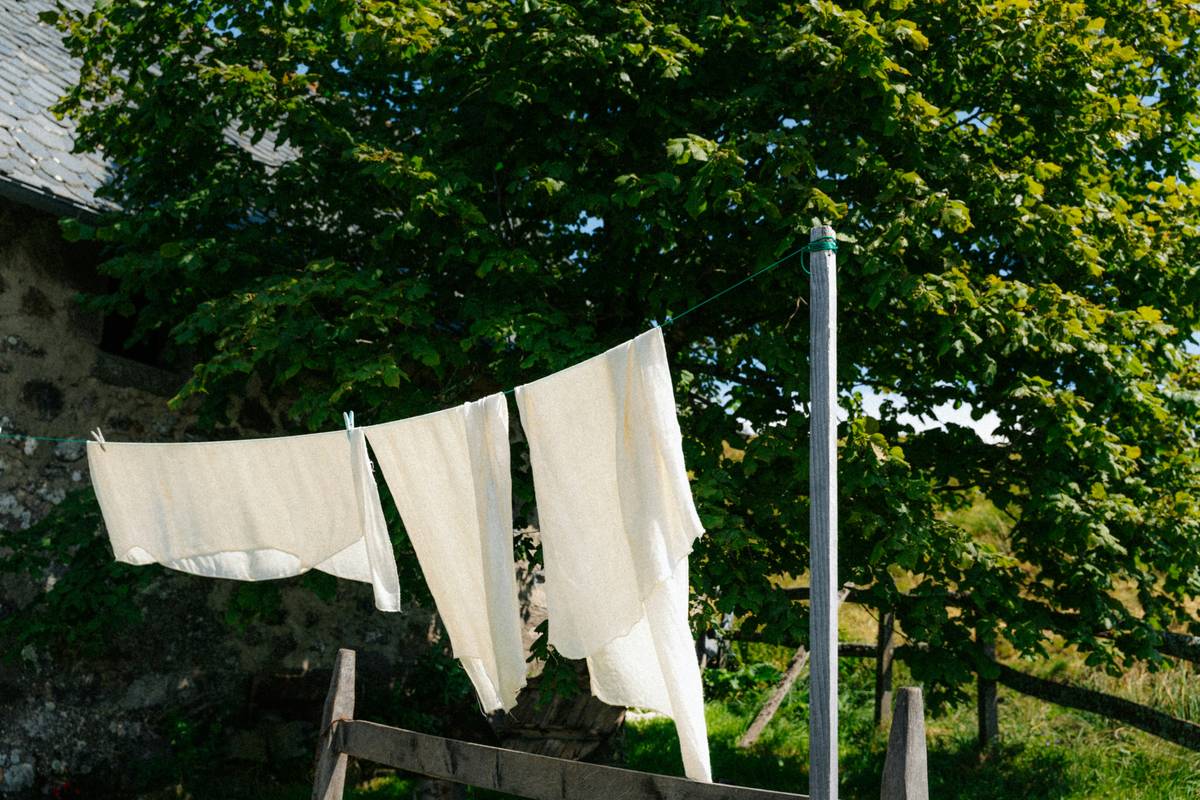
Tumble drying melts the ultrafine filaments. Lay your cloth flat on a rack. It dries faster than cotton and stays intact for 300+ washes—if treated right.
| Cleaning Method | Cost Over 1 Year | Plastic Waste Generated | Reusability Cycles |
|---|---|---|---|
| Paper Towels | $180–$240 | 12+ lbs (packaging + product) | 1 |
| Standard Woven Microfiber | $25–$40 | 0.5 lbs (detergent bottles) | 100–150 |
| Non Woven Microfiber Cloth | $18–$30 | Nearly zero | 300+ |

The Industry Secret Big Brands Don’t Want You to Know
Most “eco” microfiber sold online is repurposed industrial stock—leftover from automotive or medical filtration lines. These non woven variants were never designed for home use, so they lack edge sealing, fray fast, and release microplastics when abraded.
Here’s the fix: demand split-filament non woven microfiber with sealed edges. True split fibers create capillary channels that wick moisture and trap particles at a microscopic level. Few manufacturers disclose this—but you can test it. Drag a dry cloth across a dusty mirror. If it leaves no trace and picks up debris instantly? You’ve got the real deal.
Frequently Asked Questions
Is non woven microfiber cloth biodegradable?
No—it’s typically made from polyester or polyamide. But its extreme durability and chemical-free cleaning offset environmental impact versus disposables.
Can I use vinegar or baking soda with it?
Avoid abrasives. Vinegar diluted heavily (<5%) is fine occasionally, but frequent use stiffens fibers. Cold water rinsing is optimal.
How do I know if my cloth is truly non woven?
Check the texture: non woven feels slightly fuzzy, paper-like, and tears cleanly—not stretchy like woven fabric. Labels should specify “bonded” or “non woven.”