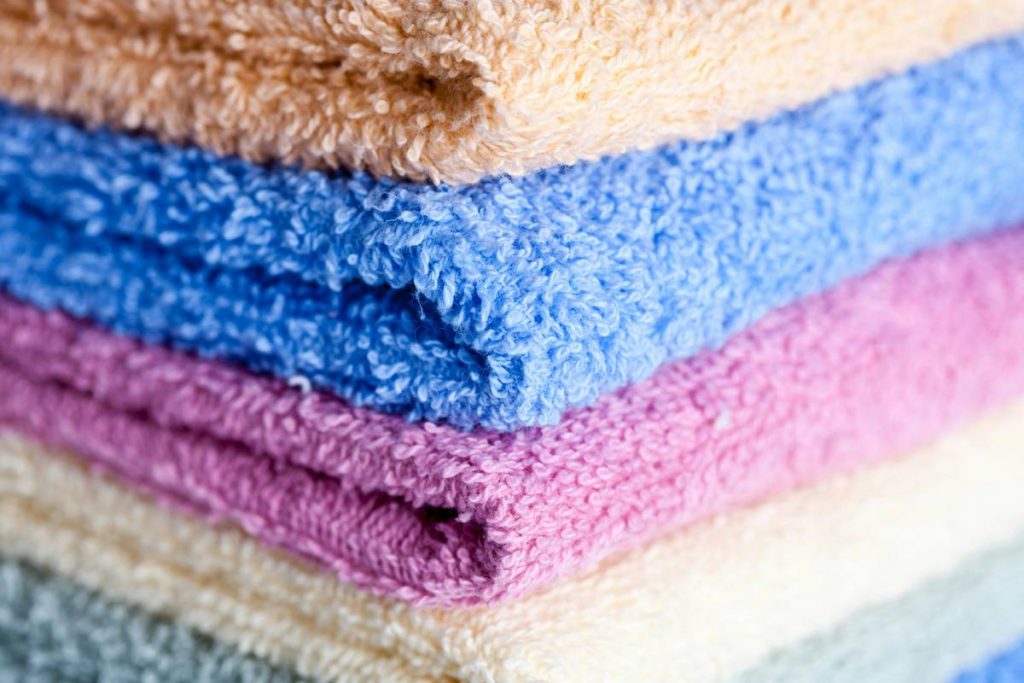
You’re tired of toxic sprays, single-use wipes, and that nagging guilt every time you reach for another paper towel roll. The market floods you with “green” labels—but most vanish in landfills or shed plastic into your water. Here’s real relief: eco friendly product microfiber cloth are quietly rewriting the rules of clean—without the greenwashing.
Why traditional cleaning cloths sabotage your eco goals
Cotton rags seem innocent—until you learn they guzzle 2,700 liters of water per single t-shirt-worth of fabric. Paper towels? Americans trash 13 billion pounds yearly. And synthetic sponges? They’re petroleum-based time bombs that fragment into microplastics after three uses.
And conventional “reusable” cloths often demand harsh detergents, hot washes, and still wear out fast. You’re not just cleaning—you’re compounding waste.
How to choose and use microfiber right (step by step)
Not all microfiber is created equal. Most big-box brands use low-denier fibers that shed like crazy. Real sustainability starts with density and weave—not just “recycled” tags slapped on packaging.
Pick high GSM (grams per square meter)
Aim for 300+ GSM. Thin cloths (<200 GSM) fray quickly, releasing fibers and forcing early replacement. Dense weaves trap dust without chemicals—and last years, not months.
Wash smart, not hard
Hot water melts fibers. Use cold cycles, skip fabric softeners (they clog pores), and air-dry when possible. One load = dozens of uses. The math is simple: fewer washes, less energy, longer life.

Avoid misleading “eco” claims
Some brands mix 10% recycled plastic with 90% virgin polyester and call it sustainable. Demand transparency: look for GRS (Global Recycled Standard) certification or OEKO-TEX® validation.
| Cleaning Method | Upfront Cost | Lifetime Uses | Environmental Impact |
|---|---|---|---|
| Paper Towels | $0.02/sheet | 1 | High (deforestation, landfill waste) |
| Cotton Rags | $2–$5 each | 50–100 | Medium-High (water-intensive farming) |
| Low-Quality Microfiber | $1–$3 each | 20–40 | Medium (microplastic shedding) |
| Premium Microfiber (300+ GSM) | $4–$8 each | 300+ | Low (if washed properly, minimal shedding) |
The industry secret no brand wants you to know
Here’s the reality: most “eco-friendly” microfiber brands still rely on fossil-fuel-derived polyester—even if it’s post-consumer recycled. But a few innovators are testing bio-based microfiber from castor oil and algae. Still niche, yes—but proof that true circularity is possible. And get this: some commercial-grade cloths last over 1,000 washes. Your home doesn’t need disposable convenience—it needs durability disguised as simplicity.
Think about it: one $6 cloth replacing 300 paper sheets isn’t just frugal. It’s rebellion.
Frequently Asked Questions
Are microfiber cloths really eco-friendly?
Only if high-quality and properly maintained. Cheap versions shed microplastics—but dense, certified cloths drastically cut waste vs. disposables.
Can I compost microfiber cloths?
No. They’re synthetic. Even recycled polyester won’t biodegrade. Reuse until threadbare, then check textile recycling programs.
Do I need cleaning spray with microfiber?
Often, no. For most surfaces, dampen with water alone. The split fibers lift grime mechanically—no toxins required.