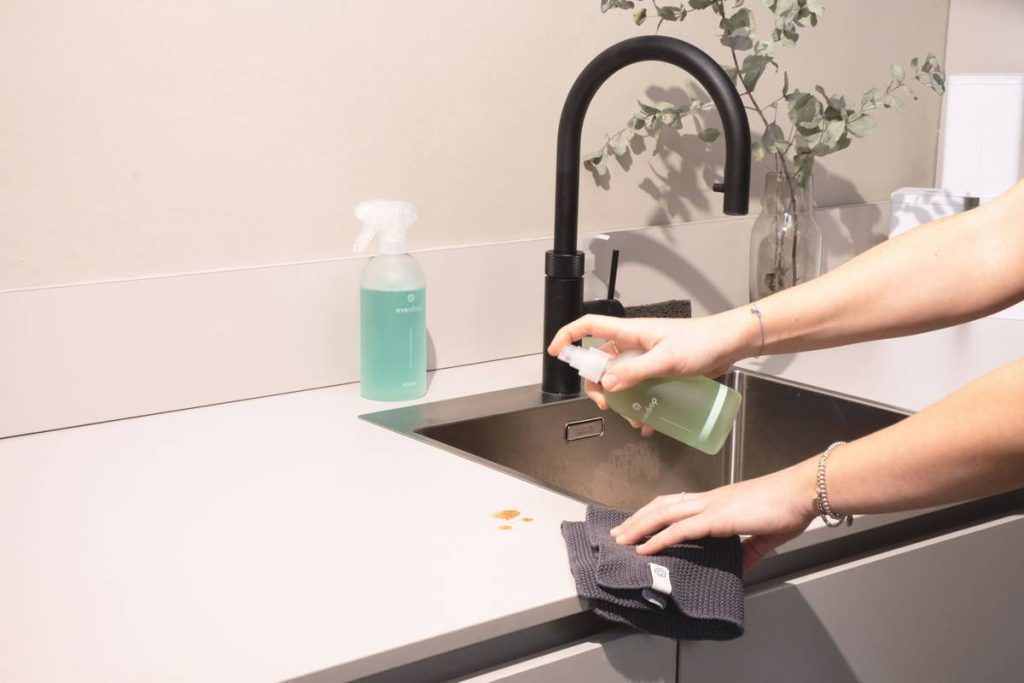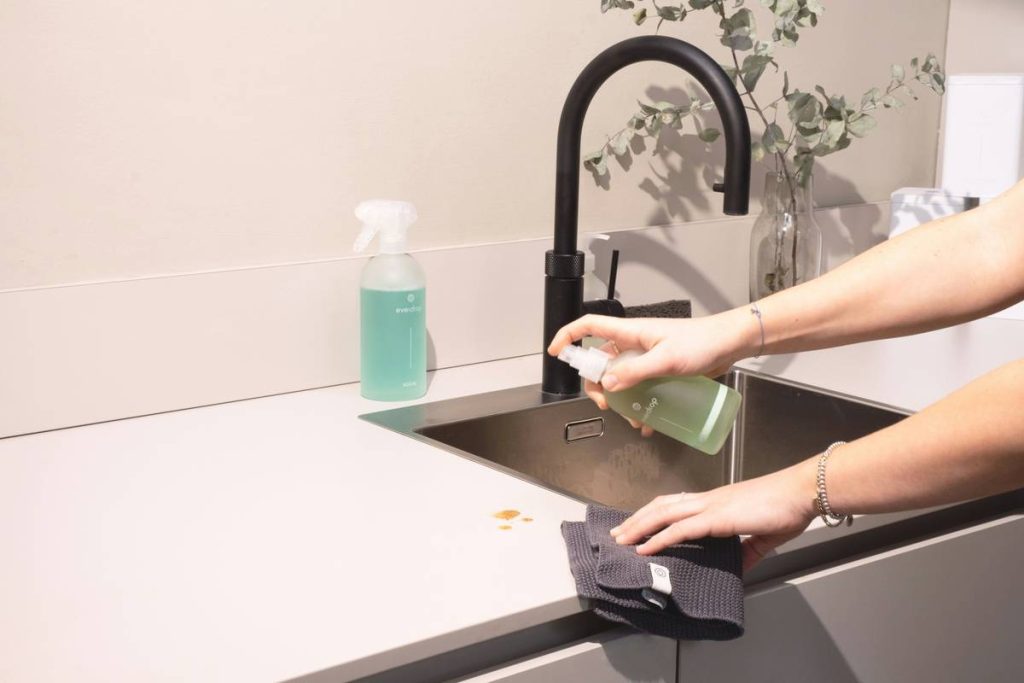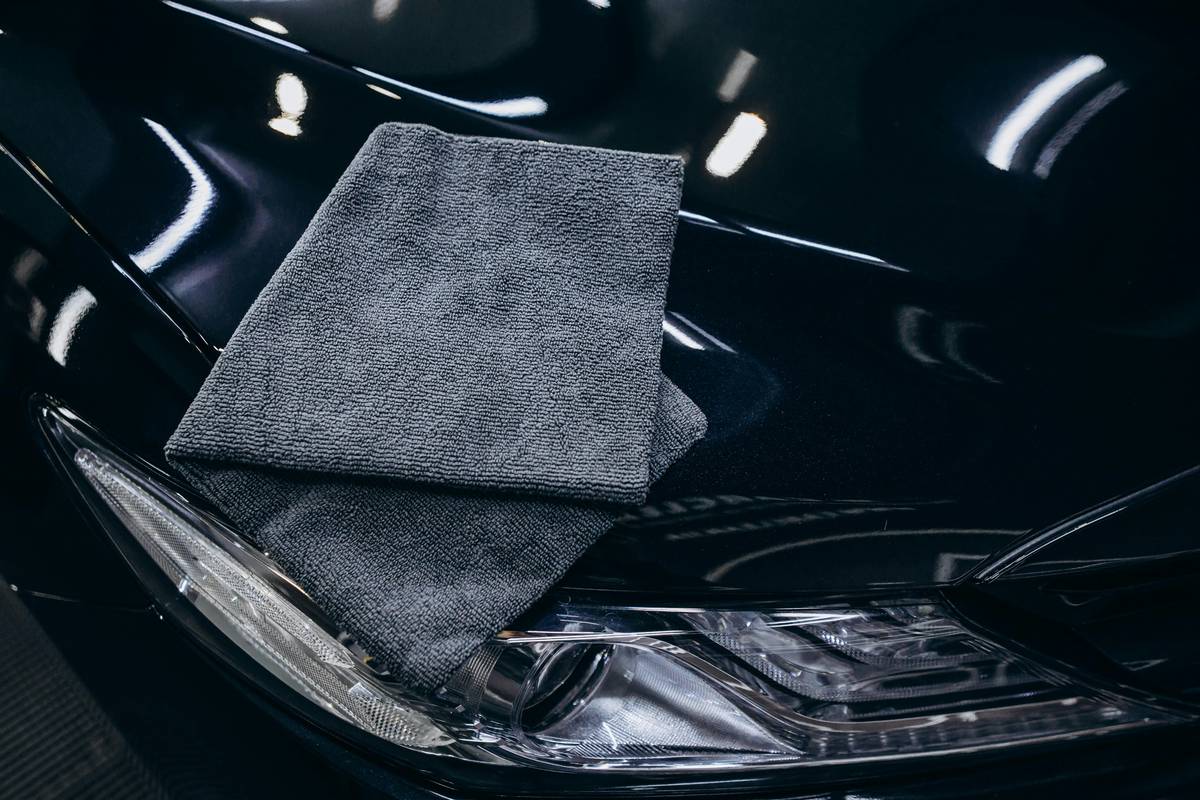
Your countertops gleam after cleaning—until you notice the streaks, the lint, the chemical stench clinging to your cabinets. You’re swapping toxic sprays for “green” wipes, but nothing sticks long-term. Here’s the twist: your eco-cleaning routine might be sabotaged by the very tool you trust most—the cloth. Enter the sustainable home microfiber cloth common thread: not just a rag, but the linchpin of non-toxic, zero-waste home care.
Why Cotton Rags and Paper Towels Fail the Sustainability Test
Paper towels? A deforestation habit disguised as convenience. One household burns through 3,000+ sheets yearly—equivalent to chopping down half a tree annually. And cotton cloths? They demand massive water inputs (2,700 liters per t-shirt equivalent) and shed fibers that never break down.
Worse: conventional microfibers often blend petroleum-based polyester with nylon. When laundered, they leach microplastics into waterways—up to 700,000 particles per wash. So yes, even your “eco” cloth could be polluting rivers while you scrub your sink.
The Sustainable Home Microfiber Cloth Common Thread: A Step-by-Step System
Forget one-size-fits-all solutions. Real sustainability means choosing cloths engineered for planet-first performance—and using them right. This isn’t about buying more. It’s about strategic selection and mindful maintenance.
Material Matters: Look Beyond the Label
Not all microfiber is equal. Demand cloths made from recycled PET (post-consumer plastic bottles) with a split-fiber weave under 0.3 denier thickness. That ultrafine structure traps dust, oils, and microbes without chemicals. Skip anything labeled “polyester blend”—that’s code for virgin plastic.
Washing Wisdom: Maximize Lifespan, Minimize Harm
Toss your microfiber in with regular laundry? Stop. Heat, fabric softeners, and detergents clog fibers, killing absorbency. Wash cold, separately, with mild detergent only. Air-dry. A properly cared-for cloth lasts 500+ washes—outperforming disposable options by orders of magnitude.
Zone-Specific Rotation Prevents Cross-Contamination
Use color-coded cloths: red for bathrooms, blue for glass, green for kitchens. This avoids transferring bacteria between zones—and extends each cloth’s functional life. Rotate every 3–5 uses, not daily.

| Cleaning Method | Upfront Cost | Lifetime Cost (2 Years) | Plastic Waste Generated | Microplastic Shedding |
|---|---|---|---|---|
| Paper Towels | $0.02/sheet | $292 | High (non-recyclable) | None |
| Cotton Cloths | $3/cloth | $24 | Low (biodegradable) | Minimal |
| Virgin Polyester Microfiber | $2/cloth | $16 | Medium (synthetic) | Severe |
| Recycled Microfiber (Sustainable Home Standard) | $4/cloth | $12 | Low (repurposed waste) | Controlled (with proper wash) |
The Industry Secret No Brand Will Admit
Here’s what manufacturers won’t tell you: most “eco” microfiber brands still rely on virgin polyester because it’s cheaper and easier to source. But there’s a quiet shift happening in B Corp-certified mills in Portugal and Japan—where closed-loop dye systems and mechanical (not chemical) fiber splitting produce truly circular cloths. The catch? They don’t advertise it. Why? Because highlighting recycled content invites scrutiny of their entire supply chain. So look beyond marketing claims. Demand certifications like Global Recycled Standard (GRS) or OEKO-TEX®—or skip the brand altogether and buy direct from ethical co-ops. Transparency is the new premium.
FAQ
Are microfiber cloths really eco-friendly?
Only if made from recycled materials and used correctly. Virgin microfiber sheds microplastics; recycled versions reduce waste and pollution when washed properly.
How often should I replace sustainable microfiber cloths?
Every 1–2 years with proper care—around 500 washes. Replace sooner if frayed, stiff, or losing absorbency despite cleaning.
Can I compost old microfiber cloths?
No. Even recycled microfiber is synthetic. Repurpose them as rags or return them through take-back programs if available.