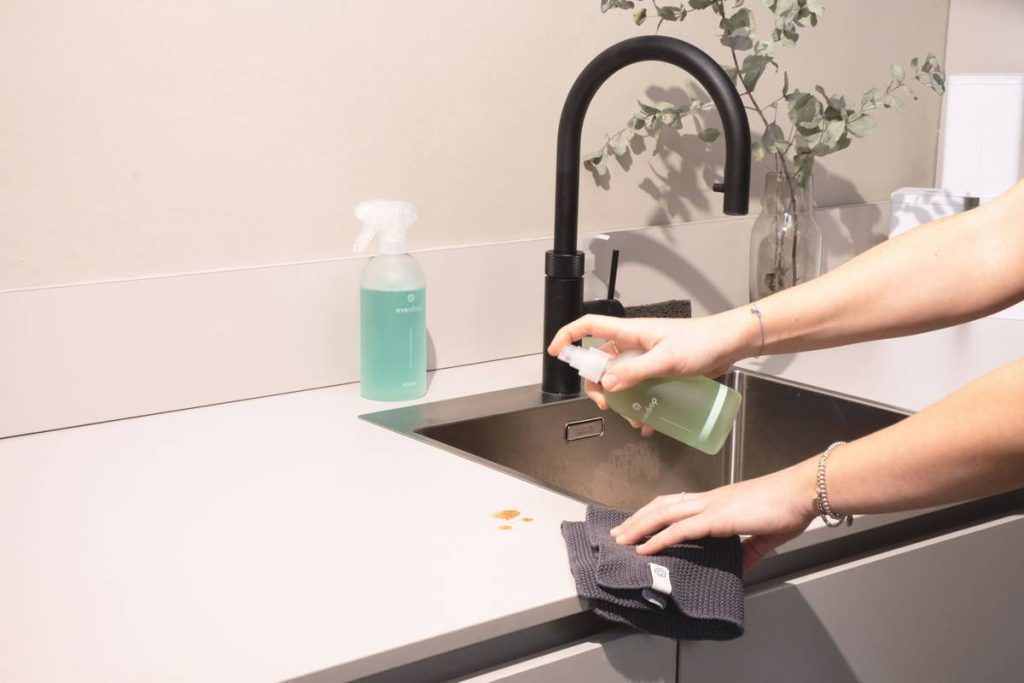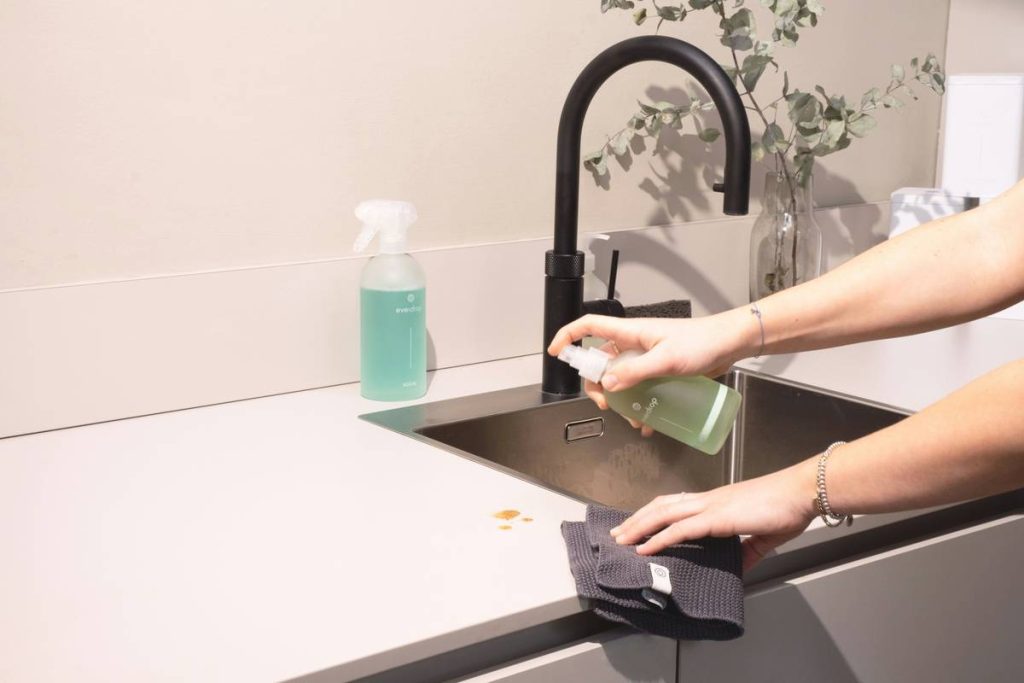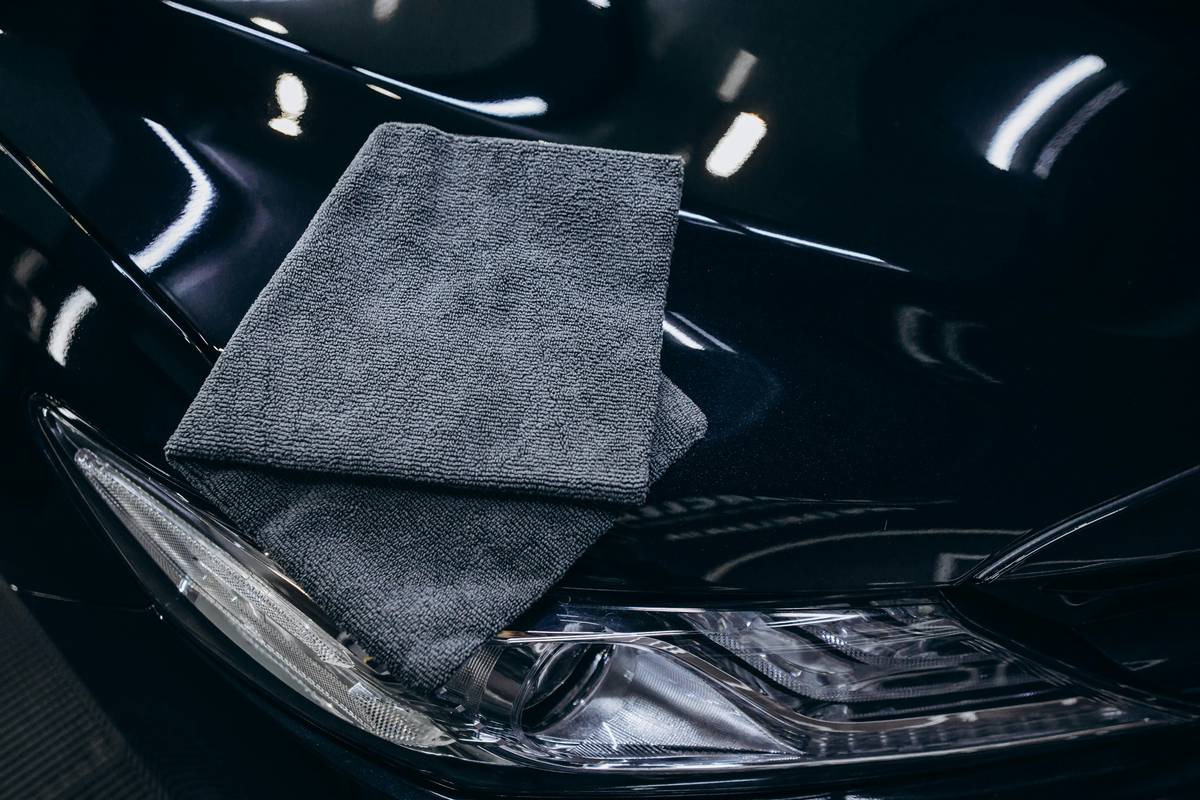
You’ve bought the “eco-friendly” all-purpose cleaner. You refill glass spray bottles. You even compost your kitchen scraps. But your cleaning routine still leaves behind lint, streaks—and guilt. Because that fluffy cotton towel you’re using? It’s a resource guzzler, shedding microfibers into waterways and demanding endless laundry cycles. The fix isn’t another gadget. It’s choosing the right sustainable home microfiber cloth which towel—and using it like a pro.
Why Your Current Cleaning Towels Are Failing the Sustainability Test
Cotton terry towels feel soft. They’re familiar. But they’re terrible at trapping dust—just redistributing it around your surfaces. Each wash releases thousands of microfibers into wastewater. And they require high-heat drying to stay sanitary, burning energy with every load.
Synthetic sponges? Even worse. Made from non-renewable petroleum derivatives, they disintegrate within weeks and often contain antimicrobials that disrupt aquatic ecosystems.
Here’s the reality: if your cleaning tool can’t be reused 300+ times without losing performance, it’s not sustainable—it’s just greenwashed disposability.
How to Choose & Use the Right Sustainable Home Microfiber Cloth Which Towel
Not all microfiber is created equal. The secret lies in fiber density, weave structure, and ethical sourcing. Below is a practical comparison most brands won’t show you:
| Feature | Budget Microfiber | Premium Sustainable Microfiber | Organic Cotton Towel |
|---|---|---|---|
| Fiber Density (gsm) | 150–200 | 300–400+ | N/A (natural fiber) |
| Lifespan (Washes) | 50–80 | 300–500+ | 100–150 |
| Lint-Free Performance | Poor | Excellent | Fair (sheds constantly) |
| Water Usage per Clean | Low (no soap needed) | Very low (dry or damp only) | High (requires detergent & rinse) |
| Eco-Certifications | Rarely any | GOTS, OEKO-TEX®, or recycled content labels | Sometimes GOTS |
Look for Split-Fiber Weave Technology
True cleaning power comes from split fibers—microscopic branches that create capillary action. This lets the cloth lift oils, bacteria, and dust without chemicals. If the label doesn’t mention “split microfiber,” it’s likely just cheap polyester polishing rags repackaged as “eco.”
Avoid Blends with Plastic Backings
Some cloths add polyurethane or nylon layers for “scrubbing power.” These never biodegrade and shed persistent microplastics. Stick to 100% microfiber (polyester/polyamide blend) or certified recycled versions.
Wash Smart—Never Use Fabric Softener
Fabric softeners coat fibers, killing absorbency. Wash in cold water with mild detergent. Air-dry when possible. And never—ever—put them in the dryer with dryer sheets.
The Industry Secret: Most “Green” Brands Ignore End-of-Life Impact
Here’s what no marketing page will tell you: even premium microfiber cloths eventually degrade. After 2–3 years, fibers thin out, seams fray, and performance drops. Yet almost no brand offers take-back programs.
But one emerging practice flips this: some ethical manufacturers now use mono-material construction—so the entire cloth can be mechanically recycled into new yarn, not downcycled into carpet padding. Ask your supplier: “Is this truly recyclable at end-of-life?” If they hesitate, walk away.
Think about it—durability matters, but circularity matters more. A cloth that lasts 500 washes but ends up in landfill isn’t sustainable. It’s delayed waste.
FAQ
Are microfiber cloths really eco-friendly?
Yes—if made responsibly. High-quality, long-lasting microfiber reduces water, chemical, and energy use dramatically compared to cotton or paper. Just avoid cheap, short-lived versions.
Can I compost my old microfiber cloth?
No. Microfiber is synthetic and doesn’t biodegrade. Instead, check if the brand offers recycling or repurpose it for non-food tasks like car detailing until it fully wears out.
Which towel is best for glass and mirrors?
A 350+ gsm split-weave microfiber cloth used dry or slightly damp. It captures dust without leaving streaks or lint—no vinegar or ammonia required.